_72x72_bd5_72x72_bd5.jpg)
_72x72_bd5.jpg)


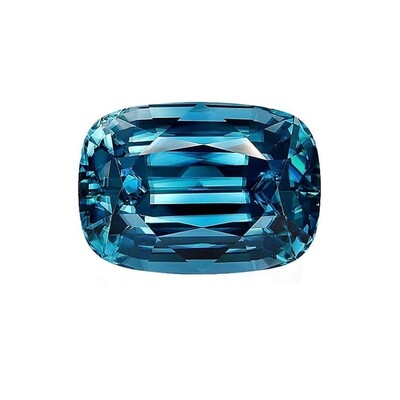
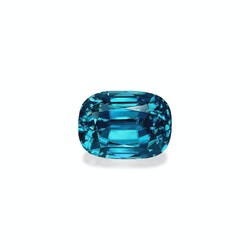
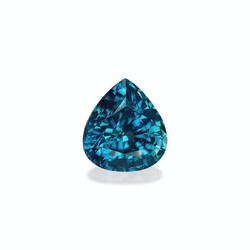
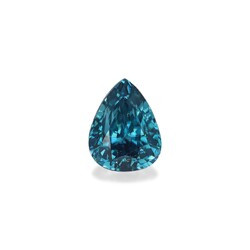
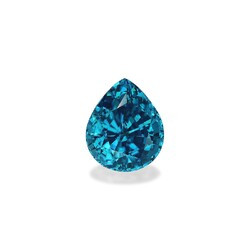
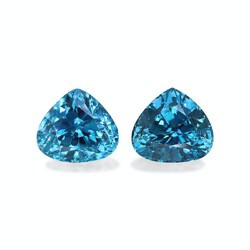
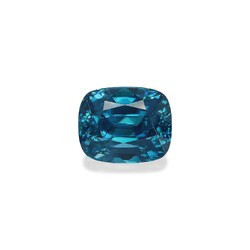
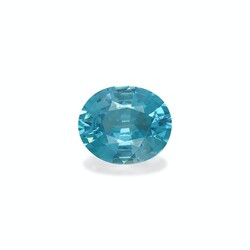
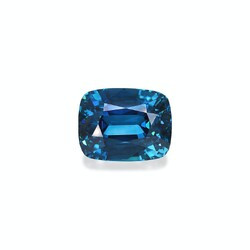
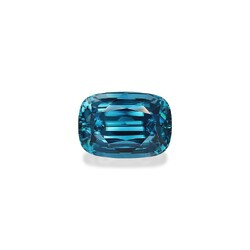
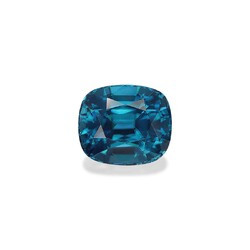
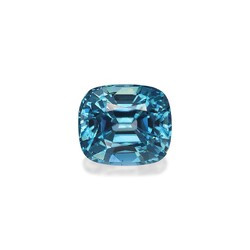
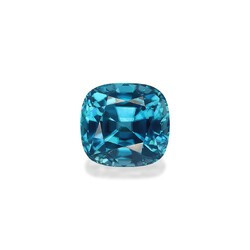
Cambodian blue zircon is a rare and beautiful gemstone sourced only from certain mines in the Ratanakiri province of northeast Cambodia. Its unique blue tones, ranging from sky blue to deep royal blue, make it unlike any other zircon on the market.
Sourcing
Blue zircon is mined at two small sites located in a specific volcanic rock formation in Ratanakiri Province. Natural brown zircon crystals are extracted and sorted according to their quality.
Unique Properties
|
Property |
Description |
|
Color |
Sky blue to royal blue |
|
Clarity |
Eye clean to moderately included |
|
Cut |
Custom cuts to maximize color |
|
Carat Size |
Typically under 3 carats |
|
Hardness |
7.5 on the Mohs scale |
Cambodian blue zircon has a distinct brilliance and medium-dark tone. The small deposit size and meticulous production also mean Cambodian blue zircon is likely to remain rare in commercial markets.
Jewelry Applications
Its striking blue color lends itself well to a variety of jewelry uses:
- Rings with round, oval, or emerald-cut center stones
- Pendants surrounded by white diamonds or colorless zircon
- Earrings set in yellow or white gold
- Multi-gem bracelets and necklaces
Cambodian blue zircon allows for beautiful, unique jewelry pieces perfect for everything from everyday wear to special occasions. That is why the clients of our jewelry shop often prefer jewelry items with rubellite.
Browse the whole list of earrings, rings, and necklaces with zircon on our website vividcarat.com. There is an option of ordering customized jewelry with your design and desired gemstones available in our stock. The shop works in New York City.
What Makes Blue Zircon Unique
Among colored gemstones, blue zircon stands out for both its eye-catching beauty and its potential as a growing investment asset. As demand rises among collectors and luxury jewelry brands, top-quality blue zircon is surging in price year over year.
Natural blue zircon is quite rare. Most blue zircon gems are created by heating pale brown or yellow zircon from Cambodia and other global sources to temperatures between 1,900-2,200°F. This process allows transition metals in the stone to interact with heat and light waves, transforming the crystal structure to refract signature blue wavelengths.
The best blue zircon has a highly saturated royal blue color, with an even distribution of hue across the crystal. Stones showing these qualities are most coveted by investors and gem enthusiasts.
Price Dynamics in New York City
High-quality blue zircon prices per carat have risen steadily in recent years:
- Vibrant blue over 2 carats - 25-35% cost increasesince 2018
- Medium blue 1-2 carats - 18-22% value increase
- Paler blue under 1 carat - 10-15% increase
If demand continues from major jewelry brands using blue zircon in their designs, prices are expected to appreciate 5-8% annually.
Essential Buying Tips
Blue zircon can make a worthwhile addition to a gem investment portfolio. As with any asset, be selective and buy the best quality within your budget.
Focus on loose zircons with saturated blue tones, clean clarity, and fine makes. Certificates from gemological labs like GIA ensure quality. Consider having important pieces GIA certified.
Gemological and Chemical Properties
Zircon is a natural mineral that forms microscopic crystals structured from zirconium, silicon, and oxygen compounds. Its chemical formula is ZrSiO4.
This crystal structure allows zircon gems to refract light strongly, creating flashes of spectral fire colors when polished. Its high refractive index also means colorless zircon has exceptional brilliance comparable to diamond.
Heat Treatment of Blue Zircons
Blue zircon's iconic coloring is the result of delicate heat treatment. Only about 10% of these crystals have properties that are suitable for heat treatment.
Heating gemstones is a well-established practice in the gemological trade used to improve color while retaining the fundamental properties and integrity of the original material. When done with great care and skill as seen in Cambodian blue zircon production, heating significantly increases the stone's value and collectability compared to untreated material.
Transforming yellowish-brown loose zircon into vibrant blue is a multi-step process requiring precise expertise. Gems are placed in airtight crucibles and then slowly brought up to temperatures between 1900-2200°F in oxygen-free environments. The crucibles used in this process are custom-designed and must evenly distribute the heat during the 36- to 48-hour process to achieve a uniform color distribution.
Skilled heating technicians monitor the visual progression of the gems. The process ceases once the desired blue saturation emerges. This color change caused by heat interacting with the zircon's unique chemical structure is permanent and stable.
Optimizing its optical properties through cutting and faceting allows jewelers and collectors to fully appreciate its striking blue fire and brilliance.
Certification Is Needed
Because the treatment method is so specialized, it is highly recommended that those who wish to obtain zircon in New York City should get reputable certification:
- GIA Report- The Gemological Institute of America issues certificates verifying geographic origin and heat treatment details based on rigorous laboratory testing protocols. Having a GIA report considerably elevates the investment value of a blue zircon.
- Gemologist Appraisal- For stones under 1 carat, an appraisal by a certified graduate gemologist can also authenticate origin and enhancement methods. An appraisal document adds credibility compared to uncertified pieces.
Given the exclusivity of Cambodian blue zircon's approved treatment process, quality certification papers affirm the stone's collectability status for investors and assure its market value trajectory.
Ethical Considerations When Purchasing Zircons
Cambodian blue zircon is mined from two small concession sites near the borders of Laos and Vietnam in the mountainous, remote Ratanakiri province. Miners search for alluvial secondary deposits, and mining shafts by hand using primitive methods without extensive safety infrastructure.
Proper licenses from the Ministry of Mines are required to prospect, but illegal mining also occurs due to poor regulation.
For investors and jewelry lovers, responsible sourcing is an important ethical consideration with Cambodian gemstones. Asking retailers detailed origin questions can help potentially identify stones mined illegally or in exploitative ways.
The arduous mining process and concentrated geography also inherently limit supply despite growing demand. This aligns blue zircon favorably as a rare commodity, with large, high-clarity specimens over 2 carats extremely scarce and gaining significant costs annually.
Investors can feel confident market economics support continued price appreciation in ethically sourced top-tier Cambodia blue zircon.