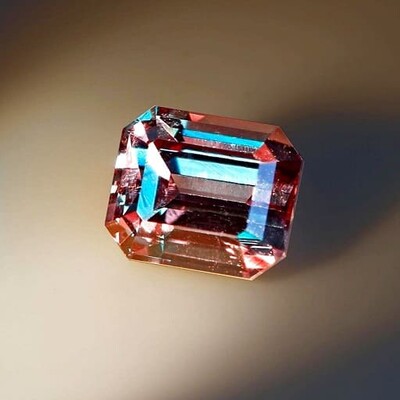
Alexandrite is a rare and valuable gemstone renowned for its mystical ability to change color in different lighting conditions. This phenomenal gem was first discovered in Russia's Ural Mountains in 1830. It was originally confused with emerald due to its green color. However, alexandrite revealed itself to have distinctly different properties.
This true chameleon of the gem world remains an enduring legacy of Tsarist Russia revered for its imperial past.
A Stone Steeped in Royalty
What truly makes alexandrite unique is its remarkable ability to change color from green to red. The vibrant green seen in daylight transforms into a rich, ruby-red hue under incandescent light. This unique trait immediately sparked intrigue and fascination after its discovery.
Coincidentally unearthed on the future Czar Alexander II of Russia's birthday, the newly discovered gem was named alexandrite in his honor. It quickly became a symbol of nobility and imperial Russia. Only those of the highest imperial status could wear the priceless stone.
Key Takeaways about Natural Alexandrite
- Color Change. Green in daylight, red under incandescent light
- Hardness. 5 on the Mohs hardness scale
- Sources. Historically Russia, also found in Sri Lanka, East Africa, and Brazil
- Rarity. Extremely rare, especially in sizes over 1 carat
- Value. The price per carat can range from $5,000 to over $10,000
Evaluating Alexandrite Quality
Several factors determine an alexandrite gemstone's quality and value:
- Color Change Intensity. Vivid shifts from bluish-green to a deep raspberry red are ideal
- Color Distribution. Even color saturation without heavy concentration in some areas increases the price per carat
- Clarity. Gems with minimal inclusions and flaws visible under 10x magnification are very costly
- Cut Quality. Good proportions and faceting maximize brilliance
Chemical Composition and the Alexandrite Effect
Alexandrite enthralls gem lovers with its dramatic color shift from bluish-green in daylight to purplish-red under incandescent light. This phenomenon known as the “Alexandrite Effect” stems from the stone’s unique chemical composition.
Decoding the Chemistry
Natural alexandrites contain trace elements that selectively absorb and transmit light wavelengths, causing the color change:
- Chromium- Primary color agent providing vivid green and red hues
- Iron, Titanium- Enhance color change intensity and saturation
- Beryllium, Aluminum- Key structural components
This precise chemical recipe enables alexandrite to fluoresce red under longer wavelength light like candles or bulbs. In daylight, the shorter blue and green wavelengths are transmitted instead.
The Alexandrite Effect Explained
The Alexandrite Effect describes how chromium ions absorb yellow and blue light. As the spectral distribution of light changes, the eye perceives different combinations of transmitted colors.
Daylight: Absorbed yellow light allows blue and green wavelengths to predominate. We perceive bluish-green.
Incandescent Light: Less blue/green light means the red end of the spectrum is more pronounced. We perceive a ruby-red color.
Durable Physical Properties
In addition to its optical wonder, alexandrite is also valued for its resilience.
Its hardness is 8.5 on the Mohs scale, which is an excellent characteristic for jewelry.
The alexandrite's crystal system is orthorhombic, which contributes to its visual appeal. It has a high refractive index, which results in high light dispersion and brilliance.
This optimal combination of rare chemistry and durable physical properties makes alexandrites a spellbinding and long-lasting gemstone.
Alexandrite’s Color Palette
While alexandrite is best known for switching from green to red, this chameleon gemstone actually displays a whole spectrum of captivating colors depending on its chemical structure and light.
Chromium Content
The amount of chromium within the gem determines where along the color spectrum it falls. Lower chromium stones tend towards olive green and brownish-red. With more chromium, vibrant yellowish greens transform into rich raspberry hues.
Light Source Effects
Alexandrites can also appear blue, violet, or even pink depending on the light composition. Yellow incandescent light accentuates red, while fluorescent lighting pulls out purplish notes. Natural daylight yields more neutral green and crimson tones.
Pleochroism
This property, where a gem displays multiple colors from different viewing angles, also expands alexandrite’s range. Along the optical axis, it appears redder, while perpendicular it is more green.
Chatoyancy
In rare instances, alexandrites exhibit chatoyancy or an alluring cat’s eye effect. Light reflects in a thin line across these stones, like in a cat's eye chrysoberyl or cymophane.
With all these factors at play, two alexandrites side-by-side may appear completely different. This diversity is part of its enduring mystique – a gemstone forever changing its look from every angle.
At our jewelry store, vividcarat.com, you can find alexandrites and chrysoberyls available in stock. Take a look at our catalog to find a gem or a piece of jewelry that you like. We are based in New York City.
Mining Has Changed
First unearthed in Russia’s Ural Mountains in the 1830s, the imperial gemstone alexandrite enchanted the world with its exotic color-changing properties.
The Waning Russian Reserves
Lavish green Russian alexandrites displaying vibrant red and purple undertones remain the most coveted on Earth. But almost two centuries of mining have exhausted the prime anthills and placer deposits of Russia’s emerald mines. While limited Russian material still surfaces from time to time, stockpiles continue to decline as the finest examples take their place in elite museum collections.
New Land of Treasures
In 1987, significant new deposits containing fine alexandrite were uncovered in Hematita, Brazil. While Brazilian stones tend toward more brownish hues, choice specimens feature admirable color changes. Sri Lanka and East Africa have also emerged as key sources, each producing alexandrites with distinctive size, color, and clarity characteristics.
Yet despite new global discoveries, Russian alexandrites retain an unmatched reputation and value due to their pronounced color change, apple green to raspberry red, considered the apex example of the “alexandrite effect.”
For devotees, these rare Russian gems remain the world’s examples by which all others are measured.
Buying Alexandrite for Investments: Rarity, Cost, and Considerations
Renowned for its scarcity and exquisite color-changing ability, natural alexandrite is one of the rarest and most valuable gemstone investments on Earth. Thus, this gem is perfect for investments.
Fine alexandrites over one carat are far rarer than comparably sized diamonds. The largest faceted examples in museum collections top out under 15 carats. This extreme scarcity heightens demand among gem investors looking to own something extraordinarily precious.
Value Factors When Purchasing Alexandrites
Origin, size, color change, vividness, clarity, and cut quality determine an alexandrite's assessment. Russian loose gemstones with vivid green to ruby red shifts under 10 carats can fetch $70,000 to $100,000 or more per carat. Smaller stones down to one-carat sell for approximately $5,000 to $15,000 per carat.
Investment Considerations in New York City
When evaluating alexandrite for investment purposes, expert gem testing is imperative to confirm natural origins and screen for manmade substitutes.
Seek analysis reports from reputable gem labs like GIA or AGL documenting crucial metrics around color change properties, clarity, cutting quality, and country of source. Such documentation bolsters provenance and can maximize resale valuations.
While still a niche segment for gem investors, natural alexandrites possess incredible upside over time due to their unmistakable cachet among connoisseurs of magnificent gemstones.
For those seeking an exceptionally rare tangible asset, Russian alexandrites less than 5 carats exhibit one of the most balanced blends of scarcity and investment return potential.
If you are seeking rare and exquisite loose gems or jewelry pieces with encrusted gems, vividcarat.com, a jewelry shop based in New York City, offers a wide range of alexandrites, chrysoberyls, rubies, and other glowing gemstones. We provide honest information about each stone available in stock. Additionally, we offer the option of purchasing a piece of jewelry with gemstone inserts that are tailored to your specific design.