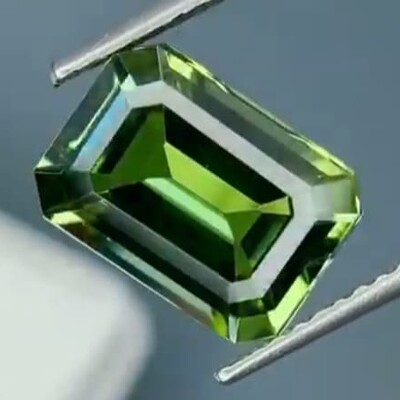
Tanzanite is prized for its striking range of blues and violets. Unlike many gems, the majority of tanzanite is heated to achieve these signature tones. However, a small percentage of stones exhibit an array of unenhanced colors.
Let's explore the process of tanzanite mining, the costs involved, and how to choose untreated stones when buying this adorable and durable gem.
What Causes Tanzanite's Varied Hues
Tanzanite has trace elements such as vanadium and chromium in its structure, which contribute to the development of different hues depending on the amount of these elements present. It also has a unique optical property known as pleochroism, which allows the gemstone to appear in different colors depending on the angle at which it is viewed.
The interplay of these factors produces unheated tanzanites in various shades of:
Blues
- Rich royal blue
- Bright electric blue
- Deeper teal
Violets
- Violet
- Purple
- Lavender
- Pink
Other Tones
- Golden yellow and golden brown
- Pale grey blue
- Green
The table below shows some of the rarest color varieties and what makes them special:
|
Color |
Rarity |
Description |
|
Golden brown |
Very rare |
Resembles fine cognac from certain angles |
|
Vivid green |
Extremely rare |
Verdant greens reminiscent of emerald |
|
Blue-violet |
Rare |
Crisp violets that transition to blue |
Tanzanite is a beautiful gemstone that collectors prize for its unique color zones and shifting hues. Each crystal can transition from green to indigo and even golden brown, creating a stunning and unique effect.
On our website, vividcarat.com, you can browse a wide selection of tanzanite stones available in stock and purchase either a loose tanzanite or a piece of jewelry. We offer a variety of options for buyers, whether you're looking for a small stone to add to your collection or a larger piece to wear as a statement piece. We are based in New York City, and we are ready to assist you with any questions or concerns you may have when purchasing precious stones.
A Gem's Worth: Prices Per Carat in New York City
The final price per carat of tanzanite depends on qualities like:
Color
- Deep blue gems with purple secondary hues retail for the highest prices
- Green, yellow, and multicolored tanzanites also fetch premiums
- Pale violet stones are more common and lower cost
Clarity
- Eye-clean stones are most desirable
- Heavy inclusions can decrease the value by over 50%
Cut
- Well-cut cushions, ovals, and rounds with excellent brilliance are preferred
- Fancy shapes like trillions require master cutting but have less waste
Based on recent auction data, these factors result in the following price ranges:
Top Tanzanite ($3,000+ per carat)
- 5 carats+
- Vibrant blue-violet
- Minor inclusions
- Excellent oval/cushion cut
High-quality tanzanite ($1,500 – $3,000 per carat)
- 1-5 carats
- Bright blue with violet secondary
- Eye-clean
- Well-cut round/cushion
Average Tanzanite ($800 – $1,500)
- 1 carat and under
- Medium blue violet
- Minor inclusions
- Commercial round/oval cut
Provenance also affects value – a mining company or brand name pedigree can increase the price per carat at jewelers in New York City. Overall, tanzanite has maintained a strong appreciation year-over-year due to scarcity and collectability.
Tanzanite Mining Locations and Methods
Tanzanite has the distinction of being found in only one small area on Earth – the Merelani Hills of Northern Tanzania. This remote, rugged region features stunning vistas of Mount Kilimanjaro and the Great Rift Valley. Within the mining zone, excavation occurs in vertical shafts or more extensive open-pit mines.
Several major sites drive tanzanite production:
- Merelani
- Simanjiro
- Kiteto
- Lelatema Mountains
While extraction tanzanite miners use either traditional or modern, advanced methods.
Traditional methods include using simple hand tools such as pickaxes and shovels, which can be dangerous and inefficient.
Advanced Equipment includes hydraulic shovels and excavators to remove surface material. Drilling rigs and explosives create access shafts. After extraction, mine cars transport ore and waste rock
The main challenges of tanzanite mining include:
- Lack of infrastructure: Mines often lack essential infrastructure such as electricity and roads, making it difficult to transport the tanzanite and other materials.
- Access tunnels prone to collapse: The access tunnels in tanzanite mines can be unstable and prone to collapse, posing a safety risk for miners.
- Short window to excavate: Tanzanite is found in small veins, which means that miners have a short period to extract it before it disappears. This can make it difficult to plan and execute mining operations efficiently.
When mining tanzanite, it is important to consider the environment. Some of the environmental concerns include:
- Open pits can scar the landscape and leave a visible mark on the area.
- Mine drainage can contaminate nearby streams and rivers, affecting the water quality and wildlife.
- Efforts are underway to backfill the pits and restore the vegetation to help minimize the impact on the environment.
To curb illicit trading, the Tanzanian government instituted stricter mining regulations in 2017. Ethical, sustainable practices are vital for tanzanite's future as companies aim to improve both safety and their carbon footprint.
Chemical Properties and Treatment of Tanzanite
In chemical terms, unheated tanzanite is a blue variety of the mineral zoisite, which has the formula Ca2Al3(SiO4)(Si2O7)O(OH).
This complex arrangement of calcium, aluminum, silicon, and oxygen atoms crystallizes into an orthorhombic crystal system – meaning tanzanite has three unequal axes at right angles to each other. Cleavage planes make the raw crystals prone to splitting in different directions.
Key Properties:
- Hardness – 6.5 to 7 on the Mohs scale
- Density – 3.35 g/cm3
- Refractive Index – High at 1.691-1.700 – contributes to brightness
- Pleochroism – Trichroic – appears differently from 3 angles
- Toughness – Brittle with distinct cleavage planes
While a rare percentage of tanzanite forms naturally blue, most rough requires heat treatment at 600°C to develop rich violet-blue hues:
- Heating eliminates traces of brown/yellow
- Enhances color intensity up to 1000%
- Permanent and stable when sealed from light
Unheated, the stones showcase stunning blends of blue, purple, yellow, and green tones. Many collectors prize these incredibly rare untampered gems exhibiting nature's dazzling handiwork through the forces of time, pressure, and geology.
Certifying Authenticity: The Importance of Tanzanite Certification and Investment Potential
With its soaring value and scarcity, verifying tanzanite's authenticity and provenance is essential. Trusted gemological labs can analyze properties and issue reports confirming if a stone is:
Natural tanzanites are formed in Tanzania's Merelani Hills without artificial growth
Unheated tanzanites are never exposed to treatment to enhance color
Top labs like GIA and AGTA provide reports assessing:
- Visual inspection for clarity enhancement
- Microscopic internal examination
- Spectrometer analysis of optical properties
- Chemical testing for heat treatment
- Geographic origin verification
Certification builds trust and signals value for:
- Appraisals
- Insurance
- Estate planning
As the only continual source for this rare gem, tanzanite investing has surged. Prime unheated specimens with certified pedigree can appreciate over 10% annually. Factors influencing prices include:
- Limited supply – 1000 times rarer than diamond
- Increasing consumer demand
- Prominent museum showcases
- Savvy investor acquisition
For investors and collectors, high-quality loose stones or jewelry from ethical sources offer portfolio diversity and a tangible alternative asset.
As the fabled Tiffany brand once prophetically asserted with one of the 20th century's most successful jewelry launches – tanzanite is poised to become this century's rare blue diamond.