_72x72_bd5_72x72_bd5.jpg)
_72x72_bd5.jpg)


Padparadscha Sapphire — The Color That Doesn't Exist on Paper
By Russell, VividCarat — China Fort Market, Beruwala, Sri Lanka
Padparadscha is the only sapphire where the color definition is officially contested between the two most respected laboratories in the trade.
GRS defines padparadscha as a stone showing a combination of pink and orange within a specific saturation window — and applies that standard strictly. GIA uses a broader definition. The practical consequence: the same stone can receive "padparadscha" from GRS and "pink sapphire" from GIA. If you're paying padparadscha prices, the certificate must say padparadscha — and the lab issuing that certificate matters as much as the word itself.
This is the first thing to understand before looking at any stone in this category.
What the Color Actually Is
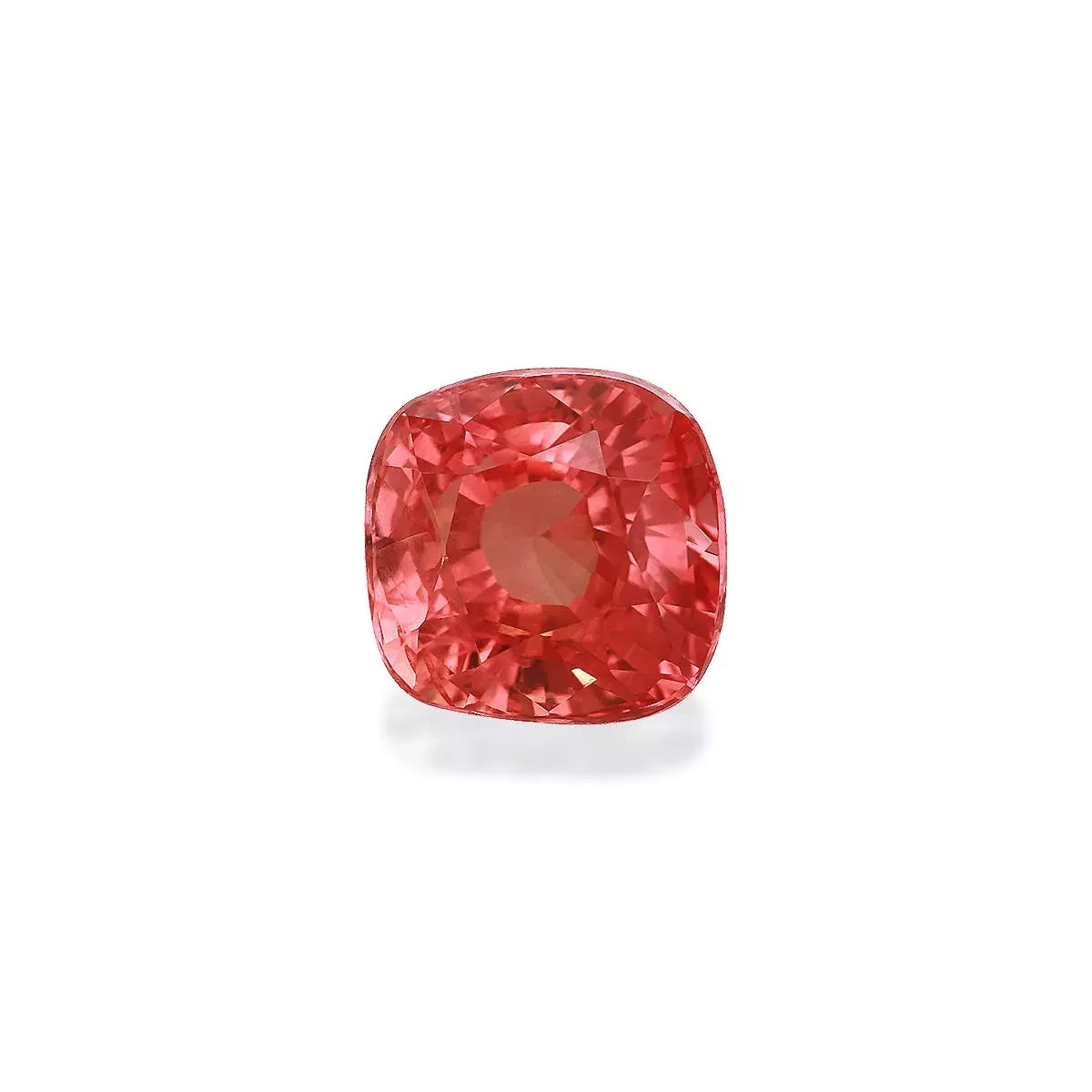
The name comes from the Sinhalese word for lotus blossom — the specific salmon-pink of the flower at the moment it opens. Chromium creates the pink component; iron creates the orange. The precise ratio of the two, combined with nanoscale iron-titanium inclusions that filter light in a specific way, produces the salmon hue the market recognizes as padparadscha.
That chemistry is rare. Approximately one in every ten thousand gem-quality sapphires qualifies. The geological conditions that create exactly the right chromium-to-iron balance in a single crystal occur in a handful of locations — Sri Lanka primary among them, Madagascar and Tanzania secondary.
What I Actually Find at China Fort
Padparadscha appears on the market regularly. What qualifies as padparadscha is a different question.
Most of what I see when dealers bring padparadscha material is stones so pale they read as washed-out grapefruit juice — heavily diluted, the color somewhere between faded pink and nothing in particular — with inclusions that would concern a buyer at any price. The dealers asking retail prices for these stones are not being dishonest about the category. They simply haven't held enough fine stones to know the difference between the category name and what the category should look like.
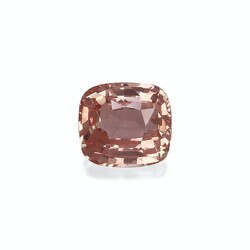
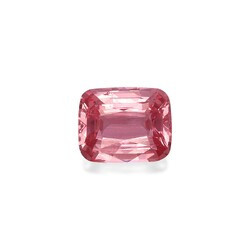
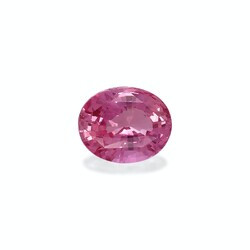
True padparadscha — the color of Sri Lankan sunset, warm salmon with genuine orange presence, not pink with a suggestion of apricot — is a different object. When you put a fine stone next to the commercial material in the same light, the gap is immediate and not subtle.
How We Source It
The only reliable route to genuine padparadscha is working with rough.
We buy uncut material and cut it ourselves with our Bangkok cutter. From that flow of rough, padparadscha-grade color appears roughly once every three months. Vivid padparadscha — the color that fully justifies the name and the price — appears perhaps once every six months. We currently have two stones in the catalog that meet that standard without qualification. We know several dealers holding good material, but the entry price for genuine vivid padparadscha is always higher than buyers expect.
That ratio — one vivid stone per six months of active sourcing — explains the pricing. It also explains why most of what trades as padparadscha in open market settings is not, strictly speaking, padparadscha.
Prices and What Drives Them
| Color grade | Carat | Price (USD/ct) | Treatment | Certificate |
|---|---|---|---|---|
| Light pinkish-orange (pastel) | 1–2 ct | $800–1,800 | Heated common | GIA recommended |
| Salmon — GRS padparadscha | 1–2 ct | $1,700–2,500 | Unheated | GRS required |
| Salmon — GRS padparadscha | 2–4 ct | $2,400–5,500 | Unheated | GRS required |
| Vivid salmon / Sunset grade | 4 ct+ | $5,000–17,000 | Unheated | GRS + SSEF |
| Exceptional vivid, 2ct+ unheated | 2 ct+ | $10,000–30,000+ | No heat | GRS + Gübelin |
Treatment matters acutely in this category. Beryllium diffusion — a treatment that pushes color into the lattice from outside — is particularly problematic for padparadscha because pale stones show it least visibly under casual inspection. Only SSEF, GRS, and Gübelin have the spectroscopic equipment to detect it reliably. A padparadscha certificate from a regional lab is not equivalent to GRS for this specific reason.
Unheated status commands a 40–80% premium over heated material at the same color grade. For investment purposes, unheated with GRS "no indications of heating" is the only category that has shown consistent appreciation.
What the Certificate Must Show
Three fields, in order of importance:
Color designation: The word "padparadscha" must appear in the color description field — not "pinkish-orange sapphire," not "orange-pink sapphire." The exact word. On a GRS report this appears in the "Colour" field. On GIA it appears under "Color Description."
Treatment: "No indications of heat treatment" for unheated material. "Indications of heating" for heated. If beryllium diffusion is present, any reputable lab will flag it explicitly. If it's not mentioned and the stone is unusually vivid for its clarity grade — ask the lab directly before purchase.
Origin: Sri Lanka commands the strongest collector recognition for padparadscha. Madagascar material can be equally fine visually but trades at a modest discount. Origin must appear on the certificate, not only in the listing description.
GRS certificates verify at gemresearch.ch. GIA at gia.edu.
Frequently Asked Questions
If GIA says "pink sapphire" but GRS says "padparadscha" — which certificate is right?
Both labs are applying their own standards correctly. GRS uses a stricter, narrower definition of the padparadscha hue range — stones that fall just outside it receive "pink sapphire" from GRS but may qualify under GIA's broader criteria. The reverse also happens: GRS certifies as padparadscha what GIA describes as "pinkish-orange sapphire." Neither lab is wrong. For collectors and investors, GRS padparadscha designation carries the stronger market recognition and commands the higher price premium. For resale into the US retail market, GIA certification is more broadly understood by buyers. If the budget allows, obtaining both reports on a significant stone eliminates ambiguity entirely.
How is padparadscha different from orange sapphire?
The distinction is the pink component. Orange sapphires derive their color primarily from iron — the result is a pure orange without pink presence. Padparadscha requires both chromium (pink) and iron (orange) in a specific ratio, producing the salmon tone the market recognizes. A stone that is purely orange, however vivid, is an orange sapphire. A stone with pink present but no orange component is a pink sapphire. Padparadscha occupies the narrow intersection — and that intersection is what the lab confirms. In practice: hold a padparadscha next to an orange sapphire and the pink presence in the padparadscha is immediately visible. Hold it next to a pink sapphire and the orange presence reads clearly. The color exists at the meeting point of both.
Is a heated padparadscha worth buying?
Yes, with caveats. Heat treatment in padparadscha is accepted practice and disclosed on lab reports. A heated padparadscha with genuine color and clean clarity is a legitimate purchase — at a price that reflects the treatment. The issue arises when heated material is priced at unheated levels, or when beryllium diffusion (a more aggressive treatment that pushes color into the lattice from outside) is present without disclosure. Heated padparadscha at honest pricing offers good value for buyers who want the color without the unheated premium. Unheated material is the only category that has shown consistent long-term appreciation, and is the only category I source specifically for investment clients.
When It's the Wrong Choice
Budget under $3,000 total for a "vivid" padparadscha: It doesn't exist at this price with honest documentation. What you're buying is light pink sapphire at padparadscha prices — a common mistake in this category.
Buying from a photo: Padparadscha color is uniquely sensitive to white balance and light source in photography. The same stone looks correct under one light and washed-out under another. Video under daylight and incandescent is the minimum. We show both on every Zoom call.
Certificate from an unfamiliar lab: In this specific category, the lab matters more than in almost any other. GRS, GIA, SSEF, Gübelin. The list is short for a reason.
We currently have two vivid padparadscha stones in the catalog — both sourced through our rough-cutting operation, both with GRS documentation. If you're looking for something specific in size or color grade, contact us directly. Fine padparadscha is sourced individually, not from standing inventory.
Zoom call, 20 minutes, stones on screen, no deposit.