_72x72_bd5_72x72_bd5.jpg)
_72x72_bd5.jpg)


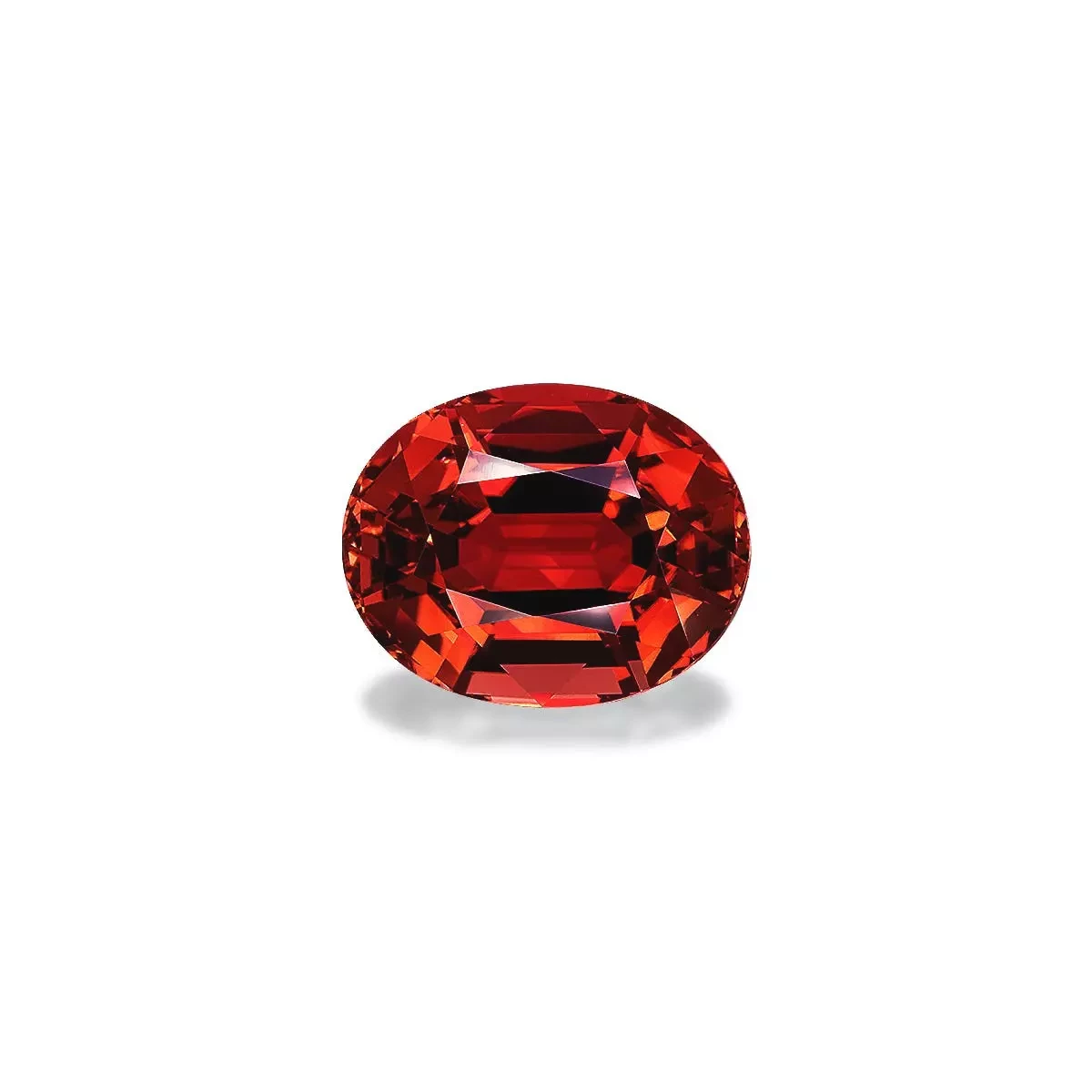
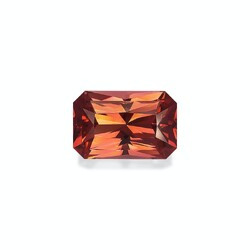
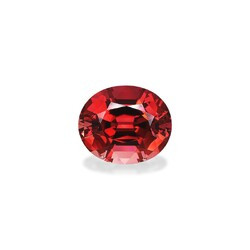
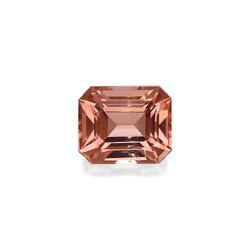
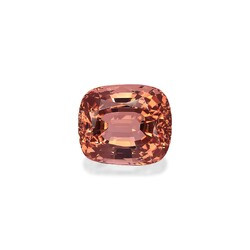
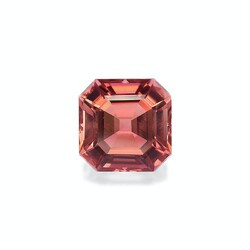
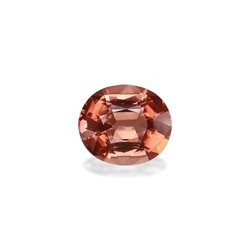
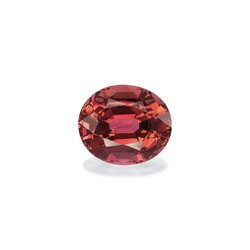
Orange tourmaline is a rare and radiant gemstone treasured for its bright orange and peach tones. As one of the most coveted tourmalines, the natural orange tourmaline commands high prices for its beauty and scarcity.
What Makes Natural Orange Tourmaline Special
Vibrant Color: Naturally occurring orange tourmaline displays a vibrant range of hues, from rich amber to peach, which are highly sought after.
Clarity: High-quality natural orange tourmaline boasts excellent clarity ratings, with no visible inclusions. Most tourmalines on the market in New York City are not 100% pure, however.
Natural Origin: Natural orange tourmaline originates naturally, without any enhancements or treatments that may be used to boost its color. This makes it a rare and coveted gemstone.
Key Properties and Qualities
Natural orange tourmaline, like all tourmalines, belongs to the cyclosilicate mineral group. Key traits and qualities include:
- Hardness level: 7 to 7.5 on the Mohs Scale
- Most common cut: Oval
- Sources: Brazil, Africa
- Ability to become electrically charged (pyroelectricity)
- Gorgeous flashes, sheen, and luster when polished
Cost Factors of Orange Tourmaline in New York City
Natural orange tourmaline captivates with its vibrant sunset tones and scarcity. A range of attributes determine this gemstone's high value.
Rarity
Natural orange tourmaline is challenging to source. Few deposits containing this material exist worldwide. Limited supply coupled with intense demand significantly impacts price. Savvy buyers consider these factors when assessing value.
The rarer the origin, the higher the prices per carat.
Color Saturation
Vivid, rich shades of orange and peach draw the highest prices. Pale yellowish orange is less desirable. Jewelers grade color saturation on a scale ranging from light to vivid. The most intensely saturated gems cost exponentially more.
Clarity
A top-grade natural orange tourmaline has few to no discernable inclusions under 10x magnification. Flawless clarity is exceptionally rare and costly. Slightly included stones still fetch high prices if the blemishes don't detract from brilliance.
Cut Quality
Masterful cutting maximizes a stone's fire and radiance. The quality of the cut significantly influences the value of all gemstones.
Top-grade oval, emerald, and cushion cuts show off a tourmaline's sparkle.
Carat Weight
Like all precious gems, larger natural orange tourmalines are exponentially more valuable. One carat size doubles the price. A 5-carat stone costs 10x more than a 0.5-carat of equivalent quality. These parameters interact to determine prices per carat.
Origin of Orange Tourmaline
While tourmaline is found all over the world, it is bright orange tourmaline that comes from certain locations where unique geological conditions lead to its formation. This gemstone's origin is what influences its market value.
Africa
Natural orange tourmaline was first uncovered in Africa before other deposits came to light. Key countries include:
- Nigeria:An important early source of cuprian tourmaline, which takes on orange-red hues
- Tanzania:Yielded orange tourmaline at Longido mines as early as the 1990s
- Mozambique:Nampula mines produce rare neon orange “paraíba” tourmaline
African orange tourmaline has high prices per carat for its exotic appeal and rich color saturation.
Brazil
Brazil produces the majority of natural orange tourmaline sold on the market today in regions like:
- Minas Gerais: Mines first discovered in the late 1980s
- Paraíba: Neon blue-green, sometimes bi-colored orange stones
Vivid Brazilian material has set records at fine jewelry auctions.
Other Deposits
While less prominent, orange tourmaline also unearths sporadically in:
- Afghanistan
- USA (Maine, California)
- Australia
Provenance plays a key role in valuing this gemstone. Savvy buyers check credentials for origin details. African and Brazilian orange tourmaline are particularly cherished on the global market.
A Gemologist's Insight: Properties and Chemical Composition
Understanding orange tourmaline's unique physical properties and chemical makeup reveals what makes this gemstone special. Tourmaline belongs to a complex mineral group that displays distinct qualities influencing durability, hue, and crystal shape based on its formula.
Hardness and Crystal Structure
Natural tourmaline registers 7 to 7.5 on the Mohs hardness scale due to its tightly packed cyclosilicate crystal structure. This makes it suitable for jewelry use without significant risk of abrasion damage. Crystals grow in long vertical striated columns.
Color-Influencing Chemical Components
While all tourmalines contain aluminum, natural color diversity stems from small amounts of other elements. Orange tourmaline owes its magical hue to trace manganese and iron within the crystal matrix. Elements like copper also intensify red undertones.
Natural peach and amber shades require just the right formula:
Additionally, tourmalines demonstrate pyroelectric and piezoelectric behaviors from polarity along the c-axis of the crystals. When heated, charged, or pressured, they can emit static electricity.
Advanced gemological analyses like spectroscopy now identify tourmaline's precise chemical fingerprint.
For example, vivid neon orange and red gemstones recently uncovered in Mozambique and Paraiba, Brazil contain rare amounts of copper responsible for phenomenal intensity.
Fine specimens will include chemical data along with locality details from advanced testing. For orange hues in particular, pay attention to the presence and percentages of key oxides that make this variety glow from within.
Enhancements and Authenticity: Treatment and Certification
While orange tourmaline attracts buyers in its untreated form, some stones undergo enhancements to intensify color or improve clarity.
Third-party gemological certification also ensures authenticity and value.
Heat Treatment
Heating is the most common tourmaline enhancement. Gently heated orange stones display more vivid secondary hues and fewer inclusions. Reputable sellers disclose this temporary treatment.
Irradiation
Radiation exposure can induce color change in tourmaline. Irradiated orange stones often lack saturation. Like heating, its effects fade over time.
Dyeing
Orange tourmaline very rarely undergo dyeing. The process aims to produce false neon bright hues. Reputable labs can identify dye presence.
Fracture Filling
Oils, resins, and glass may fill cavities reaching a stone's surface to mask flaws. Filled tourmalines require special care.
Our jewelry shop in New York City (vividcarat.com) gives all the info you need about loose gems and jewelry we sell, and we don't hide if the gem has been enhanced or not.
Discover an extensive range of tourmalines and other exquisite gems available in various cuts, colors, and styles and choose stones to fit into your budget.
Certification Matters When Purchasing Tourmaline
Given the prevalence of treatments, gemological certification from GIA, AGL, or Gübelin provides peace of mind. Reports detail any enhancements alongside key grading factors like:
- Natural origin confirmation
- Geographic source
- Chemical composition
- Clarity grade
- Cut and proportions
For long-term value, only buy natural, unenhanced orange tourmaline with reputable grading reports. Pay attention to disclosures and gemologist comments before investing. Certification provides the best proof of authenticity.