
_72x72_bd5_72x72_bd5.jpg)
_72x72_bd5.jpg)


The Discovery and Historical Significance of Mali Garnet
In 1994, a remarkable discovery was made in the Republic of Mali, East Africa. A new variety of garnet, later named Mali garnet, was unearthed in the Kayes region, specifically in the "Zone of Sangafelt" near the village of Dialzon. This find sent ripples through the gemological community, as it presented a unique hybrid of grossular and andradite garnet species, boasting a range of captivating colors and exceptional optical properties.
The early years of Mali garnet mining saw a surge of interest from collectors and gem enthusiasts worldwide. The gemstone's vibrant hues, ranging from golden yellows to rich greens and earthy browns, combined with its rarity, made it an instant sensation. As mining operations expanded, Mali garnet began to establish its presence in the global gemstone market, commanding attention and admiration from industry professionals and connoisseurs alike.
Spectrum of Colors: Understanding Mali Garnet Varieties
One of the most striking features of Mali garnet is its diverse color palette. The gemstone's hues are determined by its chemical composition, particularly the presence and concentration of trace elements such as iron, chromium, and vanadium. These elements interact with the garnet's crystal structure, resulting in a spectrum of colors that sets Mali garnet apart from other garnet varieties.
The most highly sought-after Mali garnet is the intense green variety, which owes its mesmerizing hue to the presence of chromium. This rare gem displays a striking resemblance to the highly prized tsavorite and demantoid garnets, both known for their vivid green colors and exceptional brilliance. The chromium-rich Mali garnets exhibit a captivating "fire" and scintillation, making them a true prize among collectors.
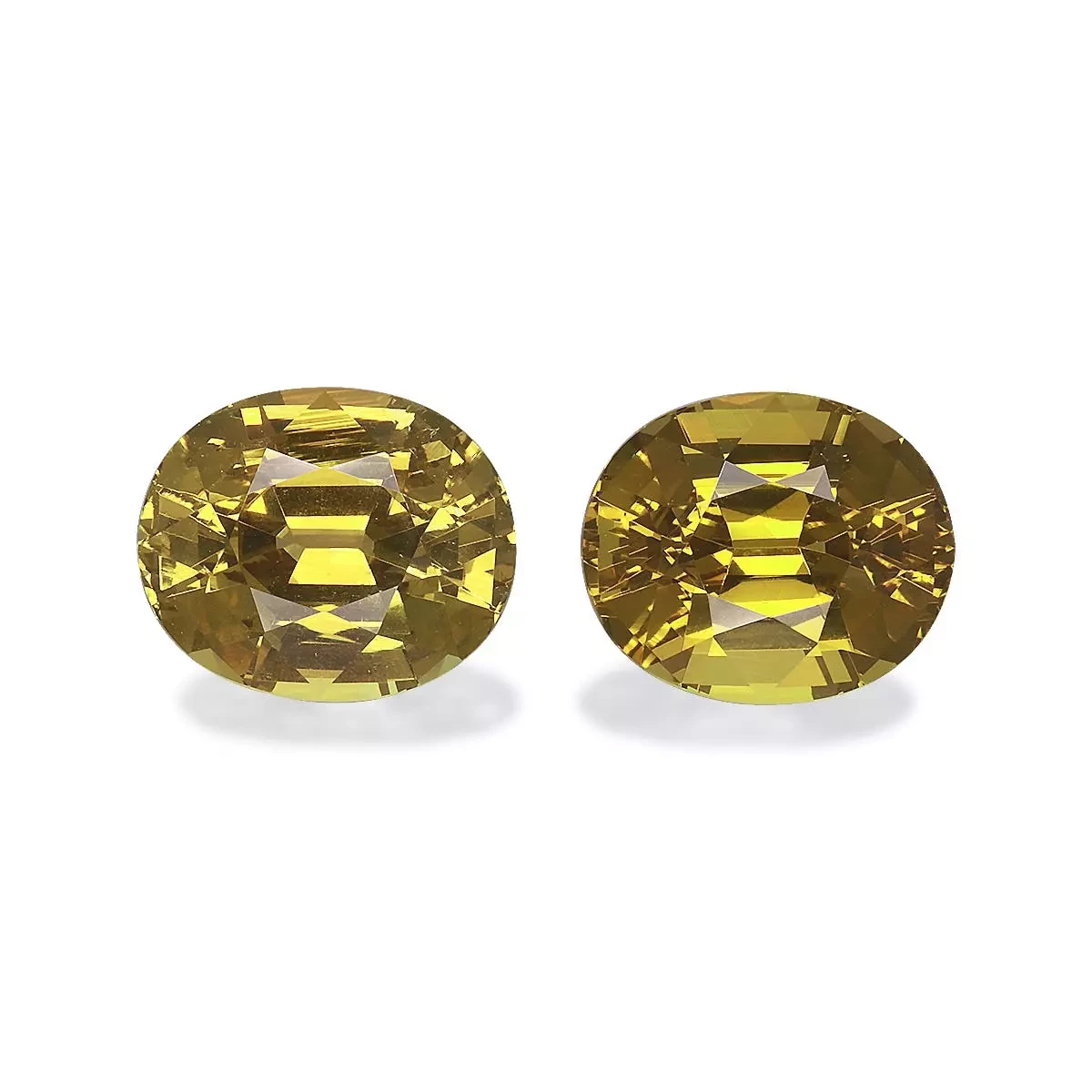
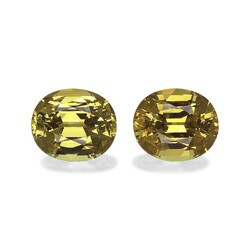
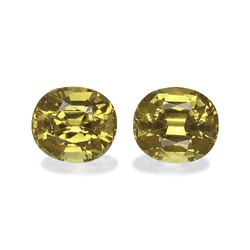
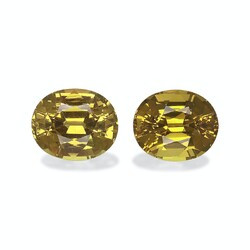
Other notable Mali garnet colors include golden yellows, resulting from the presence of iron, and rich, earthy browns, attributed to a combination of iron and chromium. These color varieties, while not as rare as the intense greens, still possess a unique charm and are highly sought-after by gem enthusiasts.
Evaluating Mali Garnet: Price Per Carat and Market Trends
Determining the value of Mali garnet involves a thorough assessment of several key factors, including color, clarity, cut, and carat weight. The most desirable Mali garnets exhibit a combination of vibrant, saturated colors, excellent clarity with minimal inclusions, precise and symmetrical cuts, and larger carat sizes.
Color is the primary driver of value for Mali garnet, with the intense green variety commanding the highest prices per carat. The rarity of these chromium-rich gems, coupled with their exceptional beauty, places them at the top of the value scale. Golden yellow and rich brown Mali garnets, while not as rare, still fetch significant prices when displaying strong color saturation and clarity.
As with most gemstones, the price per carat of Mali garnet increases exponentially with larger carat weights. This is due to the scarcity of larger, high-quality rough material, as well as the increased demand for sizable gems among collectors and jewelry enthusiasts. Top-quality Mali garnets in sizes above 5 carats are exceptionally rare and can command prices rivaling those of more well-known precious gemstones.
The market for Mali garnet has experienced steady growth since its discovery, with collectors, investors, and jewelry designers recognizing the gemstone's unique appeal and potential for long-term value appreciation. As awareness of Mali garnet continues to grow, the demand for high-quality specimens is expected to rise, further solidifying its position as a coveted and valuable gemstone.
From Earth to Market: Mining Locations and Extraction Methods
Mali garnet is primarily sourced from the "Zone of Sangafelt" in the Kayes region of Mali, near the village of Dialzon. This remote, arid region presents numerous challenges for miners seeking to extract the gemstone from the earth. The harsh Saharan climate, characterized by scorching temperatures and limited water resources, makes mining Mali garnet a demanding and often perilous endeavor.
Traditional mining methods, such as hand-digging and sifting through alluvial deposits, remain prevalent among local miners. These artisanal techniques involve the use of basic tools, such as picks, shovels, and sieves, to locate and extract the rough garnet crystals from the sediment. While labor-intensive, these methods allow for a more selective approach, minimizing the environmental impact and preserving the delicate ecosystem.
As demand for Mali garnet has grown, more sophisticated mining techniques have been adopted to increase efficiency and yields. Mechanized equipment, such as excavators and rock crushers, are now employed in some mining operations, enabling the processing of larger volumes of material. However, the use of heavy machinery is carefully regulated to ensure minimal disruption to the landscape and local communities.
In addition to alluvial deposits, Mali garnet is also found in primary deposits, where the gemstone is embedded in the host rock. Extracting the garnet from these deposits requires careful blasting and selective mining techniques to avoid damaging the rough crystals. Once extracted, the rough garnets undergo sorting, grading, and preliminary cutting before being transported to cutting centers for further processing and fashioning into finished gemstones.
Chemical Composition, Treatments, and Certification of Mali Garnet
Mali garnet is a unique hybrid of two garnet species: grossular and andradite. This combination results in a chemical composition that sets Mali garnet apart from other garnet varieties. The gemstone's formula can be represented as (Ca,Fe)3(Al,Fe,Cr)2(SiO4)3, with varying proportions of calcium (Ca), iron (Fe), aluminum (Al), and chromium (Cr) contributing to its diverse color range.
The presence of chromium is particularly significant, as it gives rise to the highly prized intense green Mali garnets. These gems owe their color to a similar mechanism found in emeralds, where chromium ions absorb certain wavelengths of light, resulting in the vibrant green hue. The concentration of chromium in Mali garnet can vary, leading to a range of green intensities, from subtle minty greens to deep, rich hues reminiscent of tsavorite.
One of the most appealing aspects of Mali garnet is its natural beauty. Unlike many other gemstones, Mali garnet is typically untreated, meaning its color and clarity are entirely natural. This absence of treatments is highly valued by collectors and purists who appreciate the gemstone's inherent qualities and rarity. However, as with any gemstone, it is essential to exercise caution and rely on reputable sources to ensure the authenticity and integrity of the gem.
Certification from respected gemological institutions plays a crucial role in establishing the credibility and value of Mali garnet. Organizations such as the Gemological Institute of America (GIA), the International Gemological Institute (IGI), and the American Gem Trade Association (AGTA) offer certification services, providing detailed reports on the gemstone's characteristics, including color, clarity, cut, and carat weight. These certifications serve as a guarantee of the gemstone's authenticity and quality, instilling confidence in buyers and collectors.
Investing in Mali Garnet: Opportunities and Considerations
Mali garnet presents an attractive opportunity for those looking to diversify their gemstone investment portfolio. The gemstone's rarity, coupled with its growing popularity and limited supply, has the potential to drive long-term value appreciation. When considering an investment in Mali garnet, it is essential to evaluate several key factors that contribute to the gemstone's value and market demand.
Color is the primary consideration when investing in Mali garnet. The intense green varieties, particularly those with strong chromium content, are the most sought-after and command the highest prices. Investors should focus on acquiring gems with vibrant, saturated colors that display excellent brilliance and scintillation. Golden yellow and rich brown Mali garnets with exceptional color saturation and clarity are also worthy of consideration, as they offer a more affordable entry point into the market.
Clarity is another critical factor in determining the value of Mali garnet. Gems with minimal inclusions and exceptional transparency are highly prized and tend to appreciate more significantly over time. Investors should prioritize eye-clean specimens or those with inclusions that do not detract from the gemstone's overall beauty and brilliance.
Cut quality is also essential when evaluating Mali garnet for investment purposes. Well-proportioned, symmetrical cuts that maximize the gemstone's color, brilliance, and fire are most desirable. Precision cutting techniques, such as the brilliant cut or the Portuguese cut, can enhance the gemstone's optical properties and increase its value.
Carat weight is a significant consideration for investors, as larger Mali garnets are exceptionally rare and command premium prices. Gems weighing over 5 carats, particularly in the intense green variety, are highly sought-after and can yield substantial returns on investment. However, it is essential to balance carat weight with overall quality, as a smaller gem with exceptional color and clarity may be more valuable than a larger stone with lower quality characteristics.
When building a Mali garnet collection for investment purposes, it is crucial to work with reputable dealers, gem laboratories, and industry experts. These professionals can provide valuable guidance on gemstone selection, market trends, and investment strategies. Attending gem shows, auctions, and industry events can also help investors stay informed about the latest developments in the Mali garnet market and network with fellow collectors and dealers.
Investors should also consider the long-term outlook for Mali garnet. As awareness of this rare gemstone grows and demand increases, the potential for value appreciation is significant. However, it is essential to approach gemstone investment with a well-diversified portfolio and a thorough understanding of market dynamics. Patience and a long-term perspective are key, as the true value of Mali garnet may take time to be fully realized.