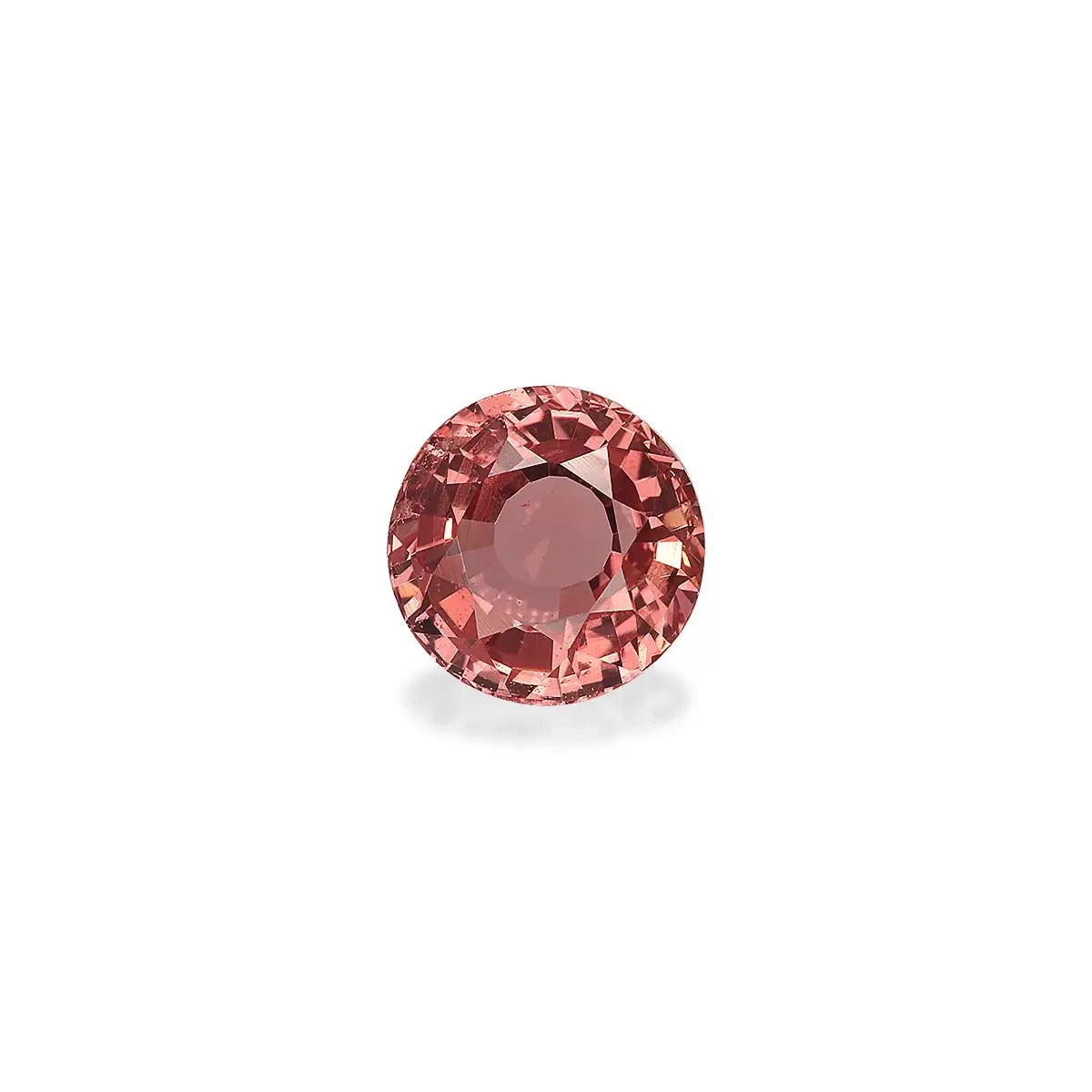
Orange Sapphires: The Stone That Fooled Me in Tanzania
By Russell, VividCarat — China Fort Market, Beruwala, Sri Lanka
Orange sapphires are rare in a way most fancy sapphires aren't. Blue sapphires are common. Pink sapphires are everywhere. A clean, vivid orange sapphire — with no brown shadow, no yellow drift, nothing diluting that pure fire — is a different category of stone entirely.
I learned this the hard way in Arusha, Tanzania. I was there for orange garnets — Tanzania and Namibia have some of the richest garnet deposits in the world. I bought a full batch: rough and already-cut stones, everything that looked right. Sent the whole lot to my cutter in Bangkok for recut and certification.
A week later my Bangkok contact calls me. "Russell — these aren't garnets. Part of your orange batch — it's corundum. We ran a certificate. Didn't believe it. Ran a second certificate at a different lab. Same result."
Sapphires. I had bought orange sapphires thinking I was buying orange garnets.
That moment clarified something I now tell every client: orange sapphires are genuinely misidentified more often than any other stone in their price bracket. They overlap visually with hessonite garnet, spessartite, orange zircon, and — at the pink-orange edge — with padparadscha. Without a certificate, you don't know what you have.
What You're Actually Paying For
Orange sapphires vary enormously. The variable that drives everything is whether the orange is clean — free of brown, free of yellow dominance, no grey modifying tone.
| Color Profile | Description | Market Range |
|---|---|---|
| Vivid "Fanta" orange, unheated | Pure saturated orange, no modifiers | $1,550–2,600/ct |
| Clean orange, heated, eye-clean | Standard market stone, good saturation | $585–1,055/ct |
| Yellow-orange, heated | Orange secondary to yellow | $350–650/ct |
| Peach / light orange | Pale, minimal saturation | $150–350/ct |
Prices Sri Lanka listings, 1–5ct range.
Beryllium diffusion is a treatment specific to orange sapphires that most buyers don't know exists. Heat alone is standard and accepted. Beryllium diffusion — where the stone is heated in the presence of beryllium to push color into the surface layer — is a different matter entirely. It can turn pale or greenish corundum vivid orange. The color looks identical to natural. Only a lab test reveals it. A beryllium-diffused stone sells for a fraction of a natural orange sapphire, and the difference is only visible under spectroscopic analysis. This is why certification for orange sapphires isn't optional — it's the whole game.
When Orange Sapphire Is the Wrong Choice
Don't buy an orange sapphire without a GIA, GRS, or Lotus certificate that explicitly addresses treatment. "Natural sapphire" on a dealer's invoice doesn't tell you whether it's been beryllium-diffused. The lab report has to state it.
Don't buy a stone described as padparadscha without lab confirmation. Orange sapphires at the pink-orange boundary get mislabeled as padparadscha regularly — the price difference between the two is 3–5x. If the certificate doesn't say padparadscha, it isn't padparadscha.
If your priority is size over color, orange sapphires will disappoint. Large clean orange sapphires are genuinely scarce. The stones that reach 3ct+ in vivid orange without brown undertone are museum-grade finds. Budget buyers going for size usually end up with brownish-orange material that reads as dull in normal light.
FAQ
How do I know if my orange sapphire has been beryllium-treated? You don't, without a laboratory certificate. Beryllium diffusion is undetectable visually, even to experienced dealers. GIA, GRS, and Lotus labs test for it specifically. Any orange sapphire sold without addressing treatment status should be treated as beryllium-diffused until proven otherwise.
Is orange sapphire close to padparadscha? They share the pink-orange boundary but are distinct categories with distinct prices. Padparadscha requires a specific balance of pink and orange confirmed by a gemological lab — GIA, GRS, or Lotus. A stone that's primarily orange with slight pink is an orange sapphire. The price difference is significant: orange sapphires run $585–2,600/ct at market, while certified padparadscha starts around $3,000/ct and climbs sharply.
How to Buy From Me
I source orange sapphires directly — Sri Lankan rough from my network at China Fort, and stones I've encountered at Bangkok and Hong Kong shows. Every stone I sell comes with a certificate addressing treatment. We do a Zoom call, you see the stone in natural light before any commitment.
→ Book a Zoom consultation | No deposit, no commitment