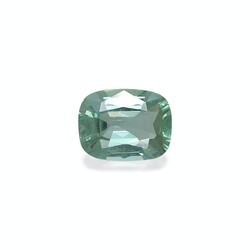
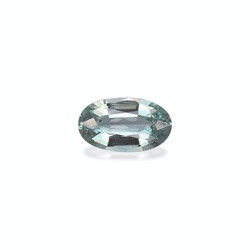
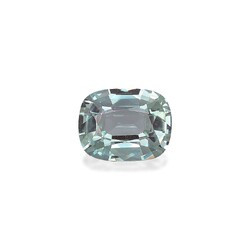
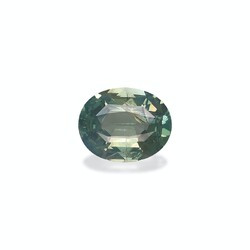
Natural Alexandrite — Color-Change Certified, Sri Lanka & Tanzania Origin
By Russell, VividCarat — China Fort Market, Beruwala, Sri Lanka
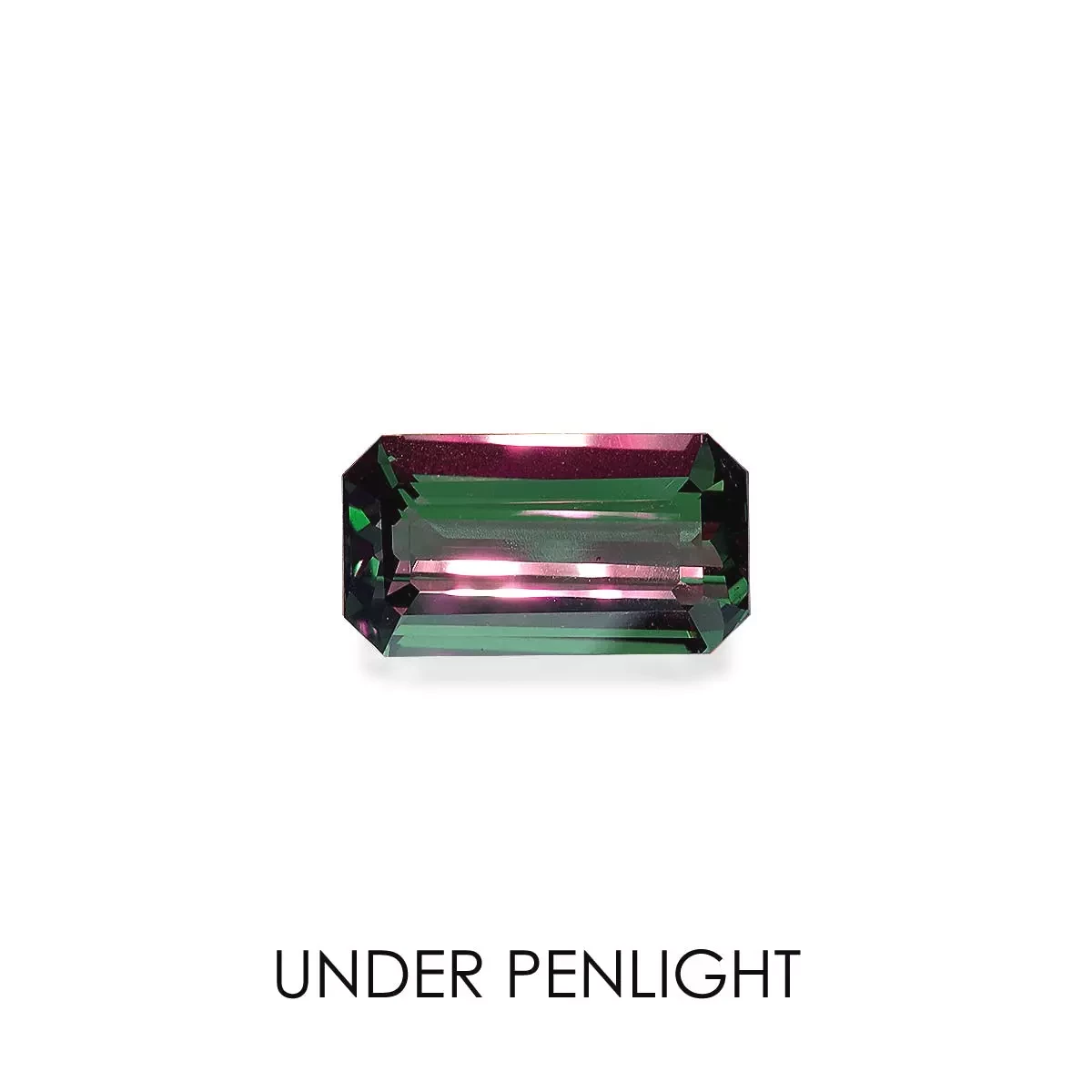
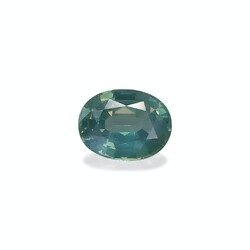
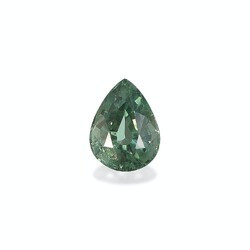
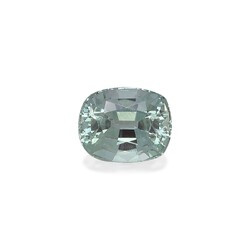
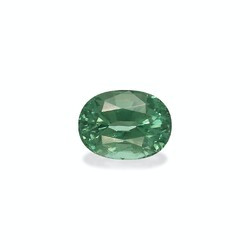
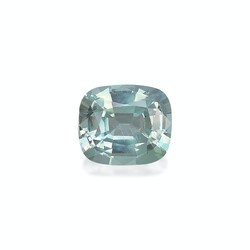
Alexandrite is the only stone I won't show in photographs.
Every other stone in the catalog — sapphire, ruby, spinel, emerald — I can represent honestly in a good photo. Alexandrite I can't. A photo captures one moment in one light. The stone exists in two. What makes alexandrite alexandrite is invisible in any image that doesn't move.
This is why the consultation call exists for this category more than any other. You need to see the stone shift. Not described, not promised — seen. Green under daylight coming through the window, then the same stone under the desk lamp, then back. That transition is what you're paying for, and it either happens clearly or it doesn't.
The catalog shows 33 stones. None of them are correctly represented by their cover image alone. Book the call first.
What You'll Actually Pay — by Origin and Color Change Strength
Alexandrite pricing is driven by two variables more than any other stone: origin and color change strength. A weak color change from blue-green to brownish-purple is a different product from a strong change from pure green to pure red. The certificate must quantify the change — not just confirm it exists.
| Origin | Color Change | Carat | Price Range (USD/ct) | Certificate |
|---|---|---|---|---|
| Sri Lanka / Ceylon | Weak–moderate | 0.5–2 ct | $500–1,500 | GIA color-change |
| Sri Lanka / Ceylon | Strong | 0.5–2 ct | $1,500–4,000 | GIA or GRS required |
| Sri Lanka / Ceylon | Strong | 2–5 ct | $3,000–8,000 | GRS required |
| Tanzania | Moderate–strong | 0.5–2 ct | $800–3,000 | GIA color-change |
| Brazil | Strong | 0.5–1 ct | $1,500–5,000 | GRS required |
| Russian Ural | Strong, vivid | any | $5,000–50,000+ | GRS + Gübelin |
| Russian Ural | Exceptional | 1 ct+ | $30,000–100,000+ | GRS + Gübelin required |
Color change strength is the dominant price variable — more than carat weight, more than clarity for mid-range stones. Two 1-carat Sri Lanka alexandrites with identical clarity can differ 3–4× in price based solely on how cleanly and completely they shift.
The Color Change Question — What the Certificate Must Say
"Color change" as a marketing term means nothing. "Color change" as a GIA or GRS certification finding means something very specific.
GIA applies a threshold: the stone must demonstrate a hue shift from one Munsell hue family to another under standardized daylight-equivalent and incandescent light sources. A stone that shifts from green to slightly less green is not alexandrite in GIA's classification — it's chrysoberyl. A stone that shifts from blue-green to red-purple across hue families is alexandrite.
This distinction matters commercially because the same stone described as "color-change chrysoberyl" and "alexandrite" are not interchangeable. One is a minor optical curiosity. The other is one of the rarest gemological phenomena in the mineral kingdom.
What to look for on a GIA certificate for alexandrite:
- Species: "chrysoberyl variety alexandrite" — not just "chrysoberyl"
- Color in daylight: specific hue description (green, bluish-green, yellowish-green)
- Color in incandescent: specific hue description (red, purplish-red, brownish-red)
- Color change: GIA describes it as "weak," "moderate," "strong," or "very strong"
A certificate that says "chrysoberyl" without the alexandrite variety designation — or that notes "weak color change" — is a significantly different commercial product than GRS "alexandrite, strong color change, green to red."
The strength designation on the certificate is the single most price-relevant line for this stone.
Russia vs Sri Lanka vs Brazil — Three Different Purchases
The page subtitle says "Sri Lanka & Tanzania origin." The menu has four origin subcategories: Russian, Madagascar, Sri Lanka/India, Tanzanian. These are not interchangeable. They are different commercial tiers separated by origin premium, color character, and availability.
Russian Ural alexandrite is the benchmark against which everything else is measured. The original discovery in 1834 in the Ural Mountains produced stones with a specific color signature: emerald green in daylight, raspberry red to purplish-red under incandescent. The Ural deposit is depleted — genuine Russian alexandrite trades as vintage material recycled through the market. Under 1 carat fine Russian: $5,000–15,000/ct. Over 1 carat strong change: $15,000–50,000+/ct. Over 2 carats exceptional: $50,000–100,000+/ct. GRS plus Gübelin dual certification is standard for serious Russian material.
Sri Lanka alexandrite is what the catalog primarily carries. Ceylon chrysoberyl deposits produce color-change material alongside cat's-eye chrysoberyl in the Ratnapura gem gravels — the same geological system that produces Ceylon sapphires. Sri Lanka material tends toward larger crystals with more inclusions than Brazilian material. The color character is typically bluish-green to purplish-red rather than the pure green-to-red of Russian stones. Fine Sri Lanka alexandrite with strong color change: $1,500–4,000/ct in 1–2 ct range. This is the most accessible fine alexandrite in the market.
Brazilian alexandrite from Hematita, Minas Gerais — the main modern source — produces small, relatively clean crystals. Brazilian stones often show the purest green-to-red shift of any non-Russian source. Production is small and declining. Fine Brazilian in under 1 ct: $2,000–5,000/ct. Over 1 ct strong: $4,000–12,000/ct.
Tanzania and Madagascar produce alexandrite with varying color change quality. Tanzania material in the catalog is certified GIA color-change. Madagascar tends toward weaker shifts. Both trade at lower premiums than Sri Lanka fine material.
The Ceylon Advantage for Alexandrite
Being based in Beruwala, two hours from Ratnapura, puts me inside the Sri Lanka gem supply chain at the dealer level — the same position that creates the pricing advantage for Ceylon sapphires on this site.
Ceylon alexandrite from the Ratnapura gravels reaches Beruwala dealers before it enters the Bangkok trading network. I evaluate material at the source market, select what passes the color change threshold I've set for the catalog, and source certificates directly rather than buying pre-certified parcels at Bangkok premiums.
The practical consequence: Sri Lanka alexandrite in the catalog is priced at one margin above Beruwala dealer level, not three margins above Ratnapura farmer level through Bangkok through a US importer. The 40–60% gap versus US retail for this category is the same arithmetic as sapphires — direct access removes intermediary layers.
The Stone That Wasn't a Garnet
At a gem show in Hong Kong I got lucky in a way that only happens when you've looked at enough stones to notice when something is wrong.
A dealer selling garnets had one stone in his tray that didn't behave like the others. The color was close — close enough that most people wouldn't stop. But the play was different. The way it sat under the light wasn't right for garnet. I asked to see it under a loupe.
The inclusions told me immediately. Not garnet. Alexandrite.
I made a deliberately bad offer — the kind of offer that insults a dealer into negotiating. It worked exactly as intended. He talked me up to a price that was excellent for garnet. I paid it for alexandrite.
I told him the story a few years later. He took it well. It was an expensive lesson but a good one — and honestly, it's the kind of mistake that makes a dealer sharper. I've made my own version of it.
The stone went to a childhood friend. He used it to propose. Some things you can't plan — you just recognize them when they're in front of you and move fast.
Why Alexandrite Is Impossible to Buy Honestly From a Photo
I said this in the opening and I want to say it again plainly because it affects how you should approach this purchase.
Every alexandrite listing on every platform shows either the daylight color or the incandescent color — whichever the photographer chose. You are seeing half the stone. Sometimes less than half, because photographic color balance further distorts both.
A stone photographed in daylight showing a vivid green may shift to brownish-purple under incandescent — technically a color change, commercially disappointing. The same stone showing a moderate green in daylight may shift to a clean red under incandescent — a strong change that the photo undersells.
The Zoom call for alexandrite runs differently from other stones. I show it in natural window light first. Then under a warm desk lamp. Then I take it outside and back. I describe what I'm seeing between the changes so you understand what the numbers on the certificate mean in practice. A "strong color change" on a GIA report reads differently from stone to stone — some strong changes are dramatic, some are technically strong but visually underwhelming.
This is the conversation the call exists for.
Synthetic Alexandrite — What It Is and How It's Confirmed
Synthetic alexandrite exists and is commercially produced. It is not a fraud — legitimate synthetic is sold at legitimate synthetic prices. The problem is when synthetic is presented or priced as natural.
Synthetic alexandrite is produced primarily by two methods: flux growth and hydrothermal growth. Flux-grown synthetic has been available since the 1960s. Hydrothermal synthetic is more recent and more difficult to distinguish visually from natural.
How a laboratory confirms natural origin:
- Microscopic inclusions characteristic of natural chrysoberyl growth (flux-grown synthetic has different inclusion patterns, hydrothermal has others)
- Spectroscopic analysis under UV fluorescence
- Refractive index and specific gravity within natural chrysoberyl parameters
A GIA or GRS certificate confirming "natural" and "alexandrite variety" is the only reliable distinction. No visual inspection by a non-specialist is reliable for this determination.
Every stone in the catalog with a certificate has been tested by the laboratory for natural origin. Uncertified stones we carry are sourced from verified channels but we recommend GIA testing before significant purchase decisions.
What to Look for on an Alexandrite Certificate
Species: "chrysoberyl variety alexandrite" — the variety designation is what distinguishes alexandrite from plain chrysoberyl.
Color change description: both daylight and incandescent colors listed explicitly, plus strength rating (weak / moderate / strong / very strong).
Origin: Russia vs Sri Lanka vs Brazil vs Tanzania is commercially significant. Origin determination for alexandrite is difficult — GRS and Gübelin are considered most reliable for Russian origin confirmation.
Treatment: alexandrite is not treated commercially. A certificate with treatment language for alexandrite is a red flag.
GIA certificates verify at gia.edu. GRS at gemresearch.ch.
Common Questions
"Why does the catalog only show Sri Lanka material?" Sri Lanka is our primary source because we're physically based in Beruwala — direct access to Ceylon gem gravels. Russian alexandrite exists in the market but as recycled vintage material at collector prices ($5,000–100,000+/ct) — we source it on request through Bangkok contacts when budget supports it. Brazilian material comes through Bangkok sourcing. Tell us your budget and origin preference on the call.
"How do I know the color change is real from a photo?" You don't, and this is the honest answer. No photograph of alexandrite is a reliable representation of the color change. The Zoom call exists specifically for this — we show the stone under multiple light sources so you can evaluate the transition yourself before committing.
"What's the difference between 'weak' and 'strong' color change on a certificate?" GIA uses these terms to describe how completely and cleanly the stone shifts between hue families. "Weak" means a subtle, partial shift — often green to brownish-purple. "Strong" means a clean, dramatic shift — green to red or close to it. The price difference between weak and strong on a comparable stone can be 3–4×. This is the most important line on an alexandrite certificate.
"Is synthetic alexandrite worth buying?" For jewelry at accessible price points — yes, if it's correctly identified and priced as synthetic. Synthetic alexandrite shows the same color change phenomenon and is visually identical to natural. At $50–200/ct for synthetic versus $1,500–5,000/ct for natural Ceylon, the value proposition depends entirely on what you're buying for. Collecting and investment: natural only. Jewelry for daily wear where you want the phenomenon without the insurance cost: synthetic is honest at synthetic prices.
"Can I return it?" Yes — 14 days from delivery, full refund on unmodified stones. Contact us first for an RMA number before returning anything. Refunds process within 5–7 business days of approval.
How to Order
Tell us: origin preference (Sri Lanka accessible, Russian collector tier, Brazilian through sourcing), color change strength priority (moderate is fine for jewelry, strong required for collection), budget, and size. For Russian material above $10,000 total — budget discussion first, then we source specifically.
The call is 20–30 minutes on Zoom. Multiple light sources, explicit color shift demonstration, certificate open on screen. No deposit, no commitment.
Browse current alexandrite inventory above — 33 stones, Sri Lanka and Tanzania origin, 0.75 to 7 carats. Or contact us directly for Russian origin or specific color change requirements.