

_72x72_bd5_72x72_bd5.jpg)
_72x72_bd5.jpg)


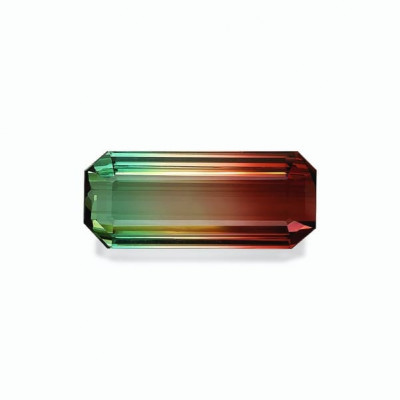
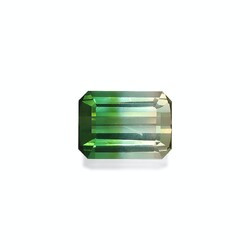
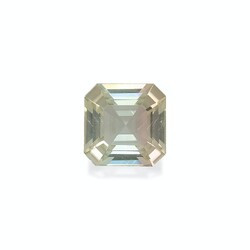
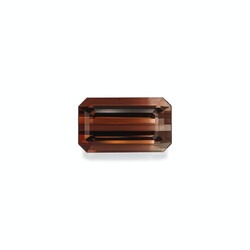
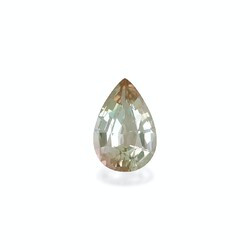
Watermelon tourmaline is a rare and unique gemstone variety of tourmaline that exhibits a colorful pink core surrounded by a green rim, resembling the visual appearance of a watermelon. The special coloration and optical phenomena of watermelon tourmaline stem from specific conditions required during its formation.
What Makes Watermelon Tourmaline Rare
Origins in Granitic Pegmatites: Watermelon tourmalines form in rare, late-stage intrusions of granitic pegmatite. This limits the areas where they can form.
Trace Element Incorporation: Both pink/red and green watermelon tourmalines require the incorporation of specific trace elements, such as manganese and iron, during crystal growth to achieve their color. The concentration and availability of these elements is limited.
Precise Growth Conditions: The color zonation of watermelon tourmalines occurs due to changes in chemistry during crystal growth. To achieve both the red and green zones, multiple, precisely timed fluctuations are required.
Factors Affecting Watermelon Tourmaline Value
- Intensity of Color Zonation: Sharper demarcation between color zones increases the price per carat. Gradual transitions mean less distinct watermelon patterning.
- Quality of Terminations: Well-formed, undamaged crystal terminations also enhance value, since watermelon tourmaline is often left as mineral specimens.
- Clarity: Transparency and lack of flaws positively impact gem-quality watermelon tourmaline value.
- Carat Weight: Larger crystal sizes command exponentially higher prices. Matrix specimens with crystals over 5 carats are rare.
Fine collector-grade watermelon tourmaline commands prices rivaling precious metals by weight due to its extreme rarity. Even small matrix crystals exhibit substantial value.
The unusual geological conditions that produce these specialty gems are also what lend appreciation to their high cost and limited market supply.
Origins and Geographical Sources of Watermelon Tourmaline
Watermelon tourmaline derives its name from the pink core and green rim that resembles the colors of a watermelon. This rare color pattern forms under specific conditions found in granitic pegmatites across limited localities globally.
Brazil
Minas Gerais State. The mineral-rich state of Minas Gerais hosts the most substantial watermelon tourmaline deposits, particularly in the Doce Valley. These pegmatites tend to produce fine red-cored crystals.
Paraíba State. Smaller occurrences of watermelon tourmaline are found in Paraíba pegmatites. These contain high manganese and copper content, adding vivid neon hues to the pink and green zones.
United States
Maine and California host several minor watermelon tourmaline pegmatites that sporadically produce collectible crystals up to 5 carats. While lacking the color intensity of Brazilian material, these appeal to local mineral collectors.
Africa
Madagascar's Anjana Bononia pegmatites sporadically yield bi-colored tourmaline crystals, though color zoning tends to be less distinct than prime Brazilian material. These appeal mainly as mineral oddities.
|
Origin |
Color Zonation |
Value |
|
Brazil |
Very distinct |
Higher |
|
United States |
Moderately distinct |
Moderate |
|
Africa |
Poorly distinct |
Lower |
As illustrated in the table above, a watermelon tourmaline's country of origin directly influences the intensity of color patterning and ultimately the value. The finest specimens with sharp color demarcations originate from select Brazilian pegmatites.
Physical and Chemical Properties
The unique coloration and visual effects of watermelon tourmaline originate from intrinsic physical and chemical characteristics. These properties directly impact its attractiveness and value when cut into collector-grade gemstones.
Pleochroism
This phenomenon causes the gemstone to display different colors when viewed from different orientations. The pink core may appear deep red in one direction but pale orange in another. Meanwhile, the green rim shifts between dark olive green and lighter mint tones. This nuanced interplay of color is seen under lighting.
Crystal Habit
Watermelon tourmaline commonly forms in vertically striated prismatic crystals capped by a triangle pyramid face. The elongated shape beautifully exhibits the color zoning along the length of the crystal. The complex growth also results in intricate patterns and shapes when cut across the axis.
Chemical Composition
- Pink Zone: Manganese, iron, and lithium impart the pink-to-red coloration
- Green Zone: Increased iron, magnesium, and absence of manganese cause deeper green hues
- Transition Zone: A precisely timed shift in chemistry creates the narrow multicolored banding
Trace elements like iron, manganese, and magnesium concentrations fluctuate during formation, causing color changes. Their availability defines the saturation of pink and green zones. More distinct color contrasts increase quality.
The interplay between watermelon tourmaline's inherent properties creates captivating optical effects that drive demand.
Color Variations
The unique coloration of watermelon tourmaline directly influences its value and investment upside. Both the richness of color saturation and distinctness of zonation impact prices that can reach into the tens of thousands per carat.
Watermelon tourmalines have several hues:
- Vibrant pink cores grading from hot magenta to deep red
- Green rims spanning cool mint green to rich olive tones
- Multicolored banding transitioning between the dominant hues
More intense color saturation suggests optimized growth conditions and chemical concentrations in the gemstone. Sharply delineated zoning also increases aesthetic appeal.
In our jewelry store located in New York City, you can buy jewelry items with watermelon tourmaline. Browse the whole list of loose gemstones and jewelry on our website (vividcarat.com). If you want a unique design, we also sell customized jewelry items with gemstones you are interested in.
Current Pricing in New York City
Small crystals with a range of colors have a price of $5 to $50 per carat.
Gem-grade faceted stones with average coloration and transitions cost from $100 to $500 per carat, while prime collector specimens with intense colors and defined zones can cost up to $1,000 or more per carat.
Flawless 10-carat crystals from Brazil can command prices of up to $10,000 and more per carat.
Larger crystal sizes over 5 carats with vibrant pink and green color contrasts fetch exponentially higher valuations. Well-terminated flawless carats with proof of Brazilian origin command the highest premiums.
Investment Outlook
As a scarce collector gem with defined supply limitations, watermelon tourmaline represents an appreciating store of value similar to blue-chip artworks.
Continued mining depletion coupled with rising mineral demand points to substantial long-term price increases for top-quality investment-grade specimens.
Browse the list of all tourmalines available in our stock on vividcarat.com and choose the best option to make a wise investment. Our jewelry store works in New York City.
Treatments to Consider When Purchasing Tourmalines
As a rare collector's stone, watermelon tourmaline commands exceptional prices in its pure natural form. However, some unscrupulous sellers may treat specimens to intensify color or reduce flaws to increase profits.
Understanding common enhancement methods along with the certification process helps safeguard investments.
The three main types of tourmaline enhancements are:
- Dyeing – Oil-based dyes infused into fractures can artificially enrich diluted color zones
- Fracture Filling – Opticon or resin injected into fractures masks cracks to improve perceived clarity
- Irradiation – Gamma/electron beam irradiation alters trace elements to induce unnatural vibrant colors
Treatments like dyeing and irradiation to manipulate color are definite red flags. Fracture filling also reduces value but is less obvious upon casual inspection.
Certification
Submission to independent gemological labs specializing in colored stones provides critical verification of a specimen's authenticity. Common certification reports include:
- GIA – Gemological Institute of America
- AGL – American Gemological Laboratories
- Gubelin Gem Lab
These lab certificates detail a stone's specific characteristics (locality/dimensions/color/clarity) and explicitly state if any treatments were detected. Such docs build investor confidence in a stone's genuineness. Our jewelry shop in New York City discloses all necessary data for loose gemstones and jewelry we sell.
Examining the certification papers helps prevent costly errors when evaluating high-value tourmaline watermelon. By seeking out reagents from reputable laboratories, we can be assured that the stone's precious colors and optical properties are a result of its natural geological origin, rather than artificial enhancement.