_72x72_bd5_72x72_bd5.jpg)
_72x72_bd5.jpg)


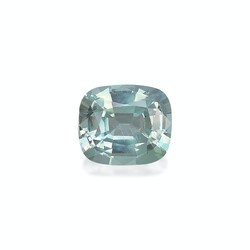
Alexandrite is a rare and valuable gemstone known for its color-changing abilities. Discovered in Russia's Ural Mountains in the 1830s, alexandrite has a rich history intertwined with Russian royalty.
How It Started
Alexandrite was first found in emerald mines near Ekaterinburg, Russia by mineralogist Nils Gustaf Nordenskiöld. The vibrant green crystals with a tint of red initially confused miners, who thought they had found an emerald deposit. However, the red hue became more apparent in candlelight, leading to excitement that a new mineral had been unearthed.
Nordenskiöld named the stone alexandrite in honor of Tsar Alexander II. Connecting the rare gem to Russian royalty increased intrigue around the world. By the late 1800s, limited Russian supplies made alexandrite highly desirable among the nobility and gem collectors.
Diffusion Around the World
Ural Mountain mines eventually depleted, slowing Russian alexandrite production. New sources emerged in Sri Lanka, East Africa, and India in the early 1900s. Brazilian deposits created modern commercial supplies. While fine Russian stones remain exceptionally valuable, discovering new sources increased accessibility for jewelry lovers globally.
A Stone Steeped in History
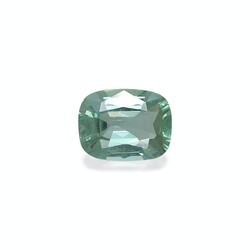
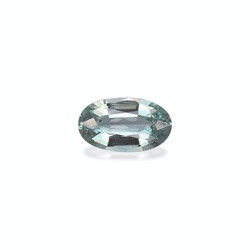
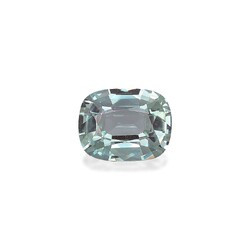
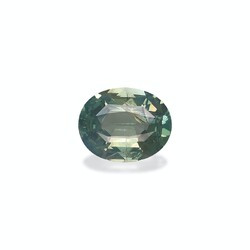
From its Russian roots to royal connections, alexandrite has long captured public fascination. Even now, the appeal of its optical illusion—looking green in daylight but transforming ruby red in incandescent light—fuels continued allure.
With a legacy dating back over 180 years, decoding the mystery of this color-shifting marvel still feels as exciting as when Nordenskiöld first held those enigmatic emerald-colored crystals to the light of his campfire and saw them flush red.
What Makes Alexandrite Unique
While alexandrite's eloquent backstory fuels its prestige, the root of this gem's fame lies in its chameleon-like color metamorphosis. Peering deeper into its chemical makeup and structure reveals why alexandrite has such an optical intrigue.
Chromium's Colorful Influence
Alexandrite enchants because trace amounts of chromium get trapped in its crystal lattice structure during formation. The chromium ions absorb certain wavelengths of light and reflect others to our eye, creating vibrant green hues. However, the loose arrangement of alexandrite allows for the absorption of chromium to shift as the light source changes. This explains why it changes from green to red.
A Precise Chemical Stew
Recreating the chemical recipe that yields fine alexandrites is exceptionally difficult. It forms in near-trace amounts mainly in Russia's Ural Mountains, where the presence of beryllium, aluminum, iron, and chromium in precise portions under extreme heat and pressure allows sporadic development of these prized crystals.
The delicate balance of elements combines with subtle structural flaws that enable chromium to dance within the layers and put on its optical light show.
Rare Ingredients + Fussy Procedure = Scarcity
Alexandrite lacks easy abundance because its ingredients rarely converge in suitable circumstances necessary to breed flawless specimens. While chemical experts understand the basic formula, consistently replicating the ornery genesis of Russian alexandrite still thwarts technology today.
When that rare celestial dance takes place, especially fine, pure crystals, flaunting radical color changes, prices for loose gems skyrocket, in recognition of the alexandrite's everlasting, mysterious allure.
The Alexandrite Effect
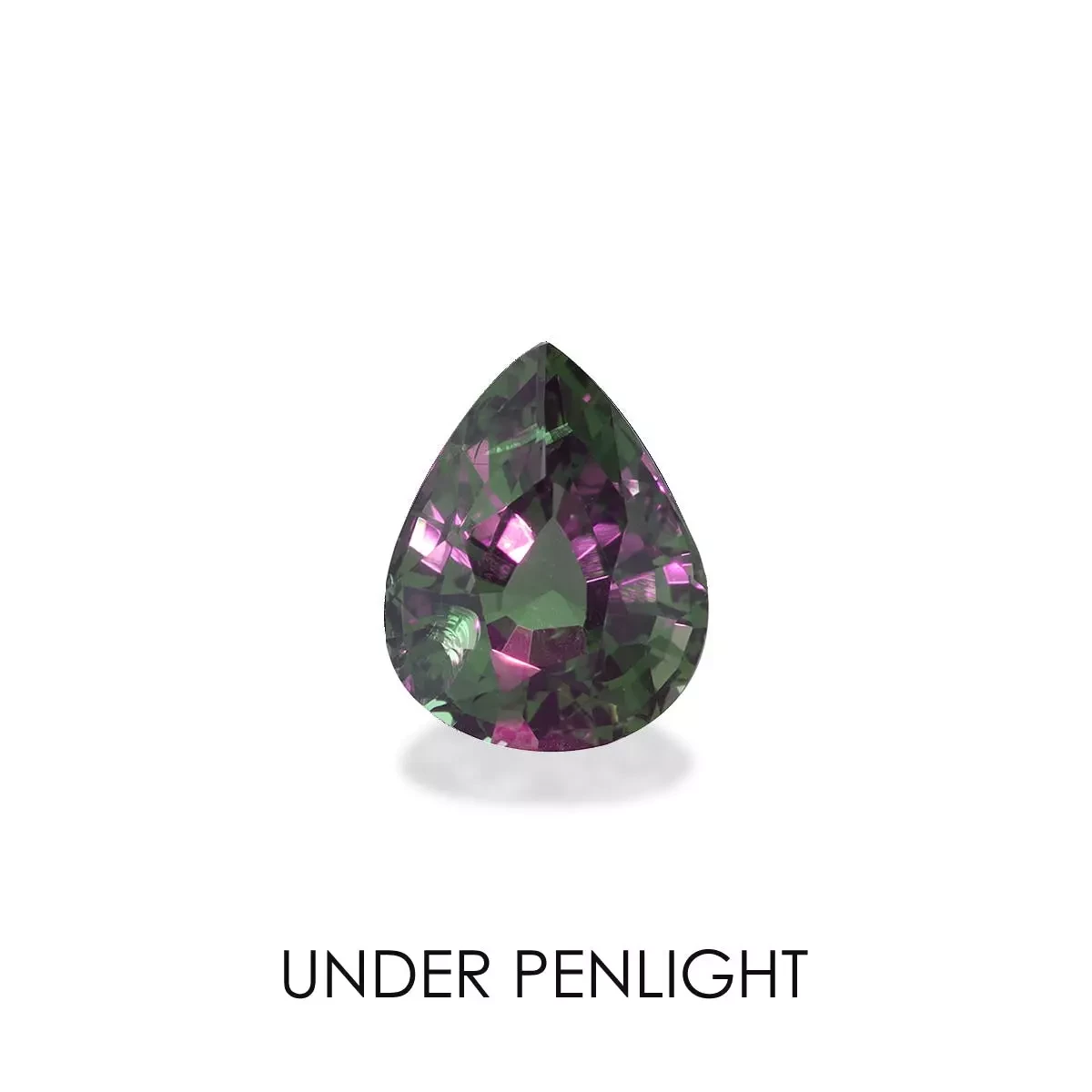
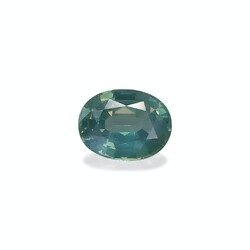
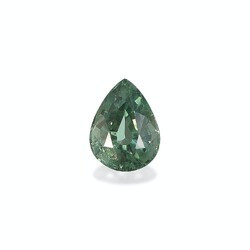
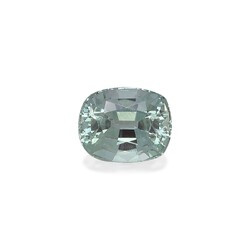
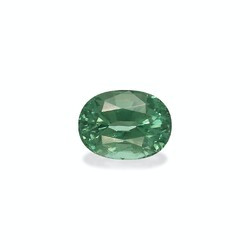
The most captivating feature of alexandrite is its dramatic "color change," shifting from green in daylight to red in incandescent light.
This optical phenomenon stems from the way the gemstone's chemical structure interacts with visible light wavelengths. Not all alexandrites display identical shades. Geographic sources impart subtle differences.
Contrasting Color Palettes
The original Ural Mountain stones typically change from yellowish-green to raspberry red. Alexandrite from Sri Lanka tends to shift from yellowish or bluish-green in daylight to shades of brownish red or orange under incandescent lighting. The color change often appears less pronounced than in Russian alexandrite.
Indian natural loose alexandrites can range from yellowish-green to golden-green hues in daylight, and exhibit orange-to-brownish-red tones in incandescent light. Stones may also have unique color bandings due to inclusions, which alter how chromium interacts with light. These vibrant, striped gems are extremely rare, though they are sometimes found in jewelry stores in New York City.
Comparing Color Change Intensity
While no universal grading scale exists, gemologists often assess color change using these categories:
- Slight – faint color variance
- Moderate – medium color change
- Strong – bold, dramatic shift meeting benchmark for fine alexandrite
Only a small percentage of alexandrites exhibit the potent color change strength and appeal that ignited the gem's fame centuries ago. But even a slight shift can enter when looking into history's most mysterious gem.
Mining Locations in Sri Lanka and India
While alexandrite first came from Russia, contemporary supplies emerged from Sri Lanka and India.
Sri Lankan Mines
The Ravana mines located about 100 km south of Sri Lanka's capital Colombo supply nearly all the island's alexandrite. The old alluvial deposits in the Ratnapura region also provided some gems. Complicated mining regulations and heavy rains that flooded tunnels have hampered production for decades.
Emeralds and Alexandrite in Minas Gerais
The Minas Gerais Pegmatite Region in southeastern Brazil produces emeralds, tourmalines, topazes, and occasional pockets of alexandrites crystals. Due to harsh weather conditions and difficult access to the mining sites, steady production is limited, and the gems often have significant inclusions. However, the district's extensive emerald belts occasionally reveal fine alexandrites.
Rarity Amid Plentiful Local Gems
Part of the mystique surrounding alexandrite links to its scarceness contrasted against abundant local gemstones like sapphires in Sri Lanka and emeralds in Brazil.
The delicate conditions needed to form flawless crystals defy likelihood. For every 10,000 corundum crystals discovered, gemologists estimate that perhaps one will exhibit the chemical purity and structural anatomy required to become an Alexandrite with a strong color change worthy of royalty.
Cost Per Carat and Market Considerations in New York City
The superior quality and extreme rarity of fine alexandrite make it one of the most costly gemstone types on earth. Multiple factors determine prices per carat, ranging from a few thousand to over $1 million per carat.
Key Price Drivers When Purchasing Alexandrites
- Color change intensity – stones with a strong shift in daylight to incandescent command premium pricing
- Clarity rating – very good to flawless clarity exponentially increases the value
- Source and origin – Russian alexandrites are exceptionally dear
- Carat weight – flawless stones over 5 carats fetch record sums
Availability Challenges Spur Alternatives
Given limited global supplies, especially of investment-grade alexandrite, scientists started producing it in labs in the late 1990s. While man-made gems lack prestige, their color change traits and affordability increased accessibility.
Prices range widely:
- Natural alexandrite: $3,000 to over $70,000 per carat
- Lab-created alexandrite: $200 to $1,000 per carat
Whether buying a loupe-clean 2-carat gem or synthetic stone, alexandrite mesmerizes with its signature magic—a rainbow of colors at play inside a once inexplicable Russian crystal.
At vividcarat.com, a New York City-based jewelry store, we offer a diverse selection of alexandrites to cater to every budget. Our range includes both natural and synthetic alexandrites, allowing you to choose based on your preferences and price range. We believe that everyone should have the opportunity to own a piece of this mesmerizing gemstone. Experience the enchantment of Alexandrites, tailored to fit your budget, at vividcarat.com.