_72x72_bd5_72x72_bd5.jpg)
_72x72_bd5.jpg)


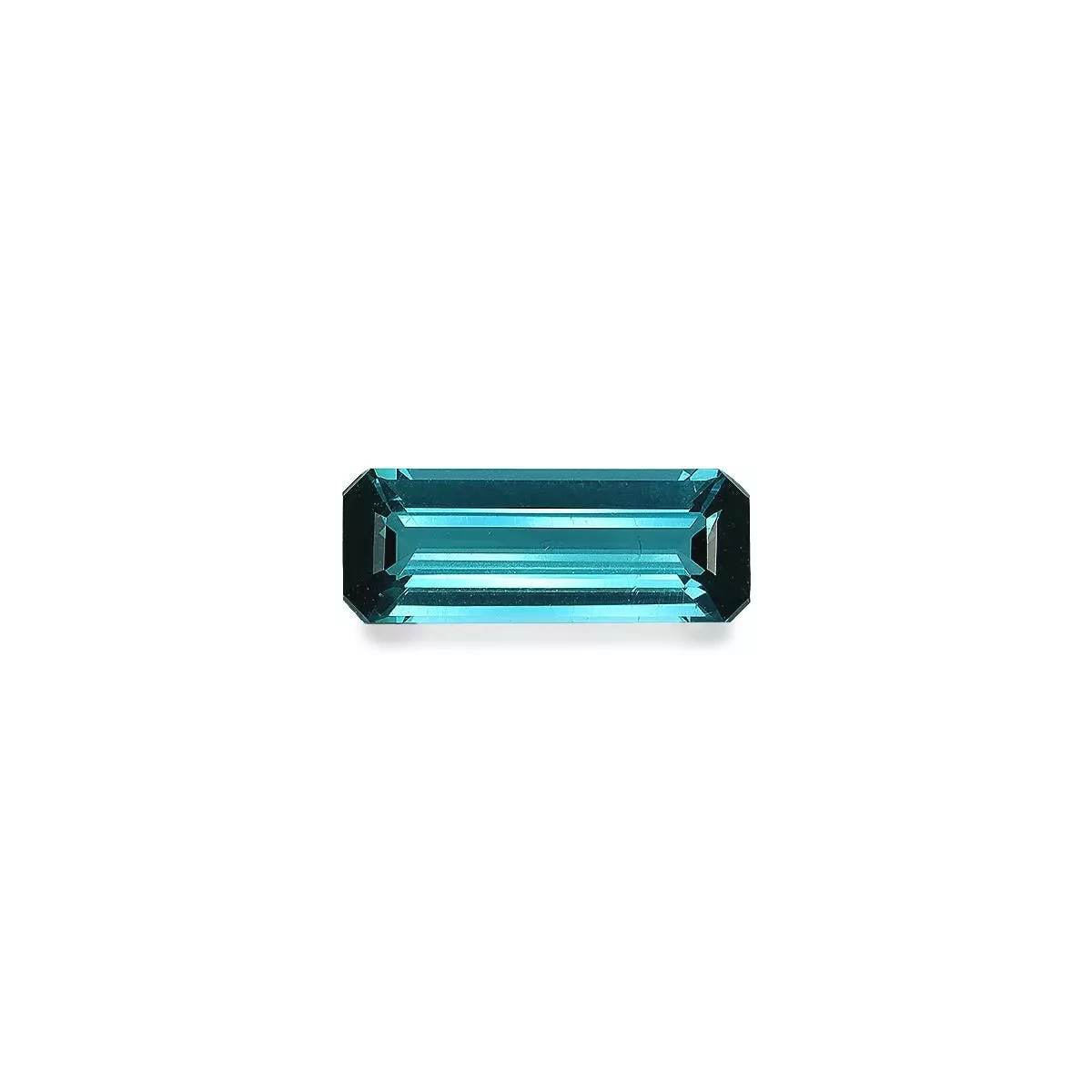
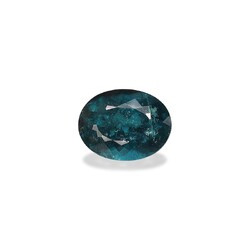
Indicolite and lagoon tourmaline are two rare and valuable types of tourmaline gemstones. Tourmaline refers to a group of minerals that display a wide range of colors and qualities.
What is Indicolite Tourmaline
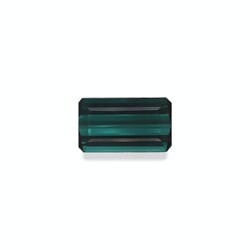
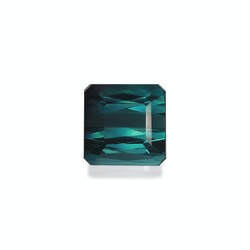
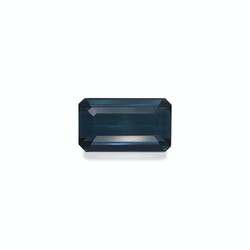
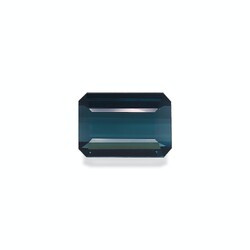
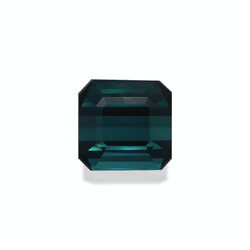
Indicolite tourmaline is a blue to blue-green variety of tourmaline, also known as "Paraiba tourmaline", although true Paraiba tourmalines are more intense in blue and are only found in Brazil.
Mined in Brazil and Africa, these gems are extremely rare, valuable, and sought after by collectors.
What is Lagoon Tourmaline
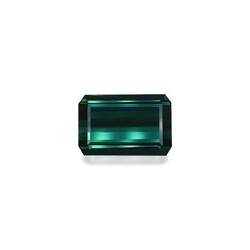
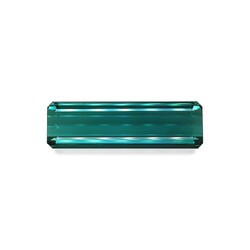
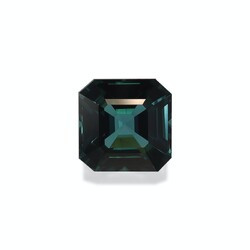
Lagoon Tourmaline is a light bluish-green tourmaline with a variety of hues, ranging from pale greenish-blue to deep teal.
It is often mined in Nigeria and Mozambique and is considered a premium tourmaline.
Key Differences of Indicolite and Lagoon Tourmaline
Lagoon tourmaline belongs to the broad tourmaline family but has its distinct colors and characteristics.
Indicolite is considered the rarest and most valuable while lagoon tourmaline is easier to source but still commands high prices for its beautiful blue-green tones.
Both make breathtaking additions to any gemstone collection.
|
Indicolite |
Lagoon Tourmaline |
|
Vibrant blue-green |
Pale greenish-blue |
|
Very rare |
More common |
|
More expensive |
Less expensive |
Color Palette and Price Insights
The vibrant blues and greens found in indicolite and lagoon tourmaline set them apart in the gemstone world.
Here’s an overview of their distinctive coloring and how color saturation impacts their value:
Indicolite Colors
Deep blue-green hues are highly prized, with bluer stones having higher color saturation. The more intense the blue hue, the higher its value.
Lagoon Tourmaline Colors
Lagoon Tourmaline Colors: Ranging from pale green-blue to rich teal, greener blue stones have a lower value than deeper blue-green teals.
Price Ranges
The depth of color saturation greatly impacts the gemstone's price, with deeper more vibrant hues commanding higher prices. Some average price ranges are:
|
Color |
Price Range Per Carat |
|
Pale Lagoon Tourmaline |
$50 – $300 |
|
Rich Teal Lagoon Tourmaline |
$300 – $600 |
|
Dark Indicolite |
$800 – $1,300+ |
These price ranges apply to average gemstone quality. Inclusions, size, and cutting quality also impact price. Well-cut indicolites over 5 carats can sell for $2,000+ per carat.
Jewelry with these gemstones is priced accordingly. A 2-carat high-quality teal lagoon tourmaline ring could cost $1,000 while a top-grade 3-carat indicolite pendant may list for $3,500+. Their hues allow these prized tourmalines to command premium pricing.
Origins and Geographical Significance
The geographical source of indicolite and lagoon tourmaline contributes to their prized status among collectors and impacts value. Here are some key mining locations and regional profiles:
Key Indicolite Sources
- Brazil:The first indicolites were discovered in Brazil in the 1980s. Brazilian indicolites exhibit that vibrant blue-green highly sought-after in the gem trade. Supply is very limited, with new Brazilian indicolite becoming harder to source.
- Afghanistan:Afghanistani indicolite rivals Brazilian stones in terms of quality. Political instability in the region causes mining challenges, making Afghan stones sporadically available.
Key Lagoon Tourmaline Sources
- Nigeria:Nigeria produces a significant share of lagoon tourmaline, particularly in pale greenish-blues. Nigerian stones are more affordable due to the higher supply.
- Mozambique:Mozambican lagoon tourmaline mines Yield stones in richer blue-green hues closer to indicolite tones. Supply is lower than in Nigeria, so Mozambique lagoon tourmalines carry higher values.
As with most gemstones, rarity fuels demand and price premiums. The finest indicolites and lagoon tourmalines from sporadic producing regions often attract bids in the tens of thousands per carat based on scarcity alone.
These exotic blue-green jewels continue to enchant collectors worldwide. Our jewelry store vividcarat.com has both indocolite and lagoon tourmalines available in stock. You can buy loose gemstones or jewelry items with these precious stones. Browse the list of tourmalines we sell and pick the best option for your needs. We work in New York City.
Properties and Chemical Composition
The vibrant colors and durability of indicolite and lagoon tourmaline originate from their unique chemical makeup and physical properties.
Hardness & Durability
- Register 7 to 7.5 on the Mohs hardness scale
- Durable for setting into jewelry
- Softer than diamonds but harder than most gems
Crystal Structure
- Trigonal crystal system
- Often form long vertical prismatic crystals
- Prismatic shape aids light reflection and color saturation
Chemical Composition
Tourmalines contain trace elements like iron, chromium, and copper. These elements interact with light to produce blue-green colors. More color elements mean deeper color saturation
Pleochroism
Pleochroism is the ability of a gemstone to exhibit different colors when viewed from different angles. This adds depth and makes the gems appear to glow from within, further enhancing their magical coloring.
The combination of hardness, crystal shape, chemical composition, and pleochroism all unite to create the spellbinding beauty of indicolites and lagoon tourmalines.
Enhancements and Certification of Indicalite and Lagoon Tourmaline in New York City
To improve clarity and intensify color, indicolites and lagoon tourmalines often undergo treatments. Here are some common enhancements buyers may encounter:
Fracture Filling Filling cracks with oil or resin improves the visibility of the stone. However, it is only acceptable if this process is disclosed.
- Heat Treatment. Heating is used to improve the color consistency of the gem. This process is a permanent and widely accepted method for enhancing the color of a gemstone.
- Irradiation. Exposing a gem to radiation can cause desirable color changes. However, this process is controversial and should always be disclosed when purchasing a tourmaline.
- Fracture Filling. Filling cracks with oil or resin improves the visibility of the stone. However, it is only acceptable if this process is disclosed.
Due to these treatments, certification is essential to ensure quality when buying. Here's what to look for:
- Certificates from respected gem labs like GIA, AGL, or Gubelin
- Reports indicating any clarity enhancements
- Assessment of quality characteristics and geographical origin
An accredited gem certificate verifies critical details and gives buyers confidence in the stone’s quality. Be wary of extremely low prices, as this can indicate a lack of certification or undisclosed treatments.
Taking time to ensure proper certification ultimately safeguards your investment when purchasing these rare tourmalines.
Our jewelry store in New York City provides all the necessary information about loose gemstones and jewelry that we sell, without hiding whether the gemstone has been treated or not.