_72x72_bd5_72x72_bd5.jpg)
_72x72_bd5.jpg)


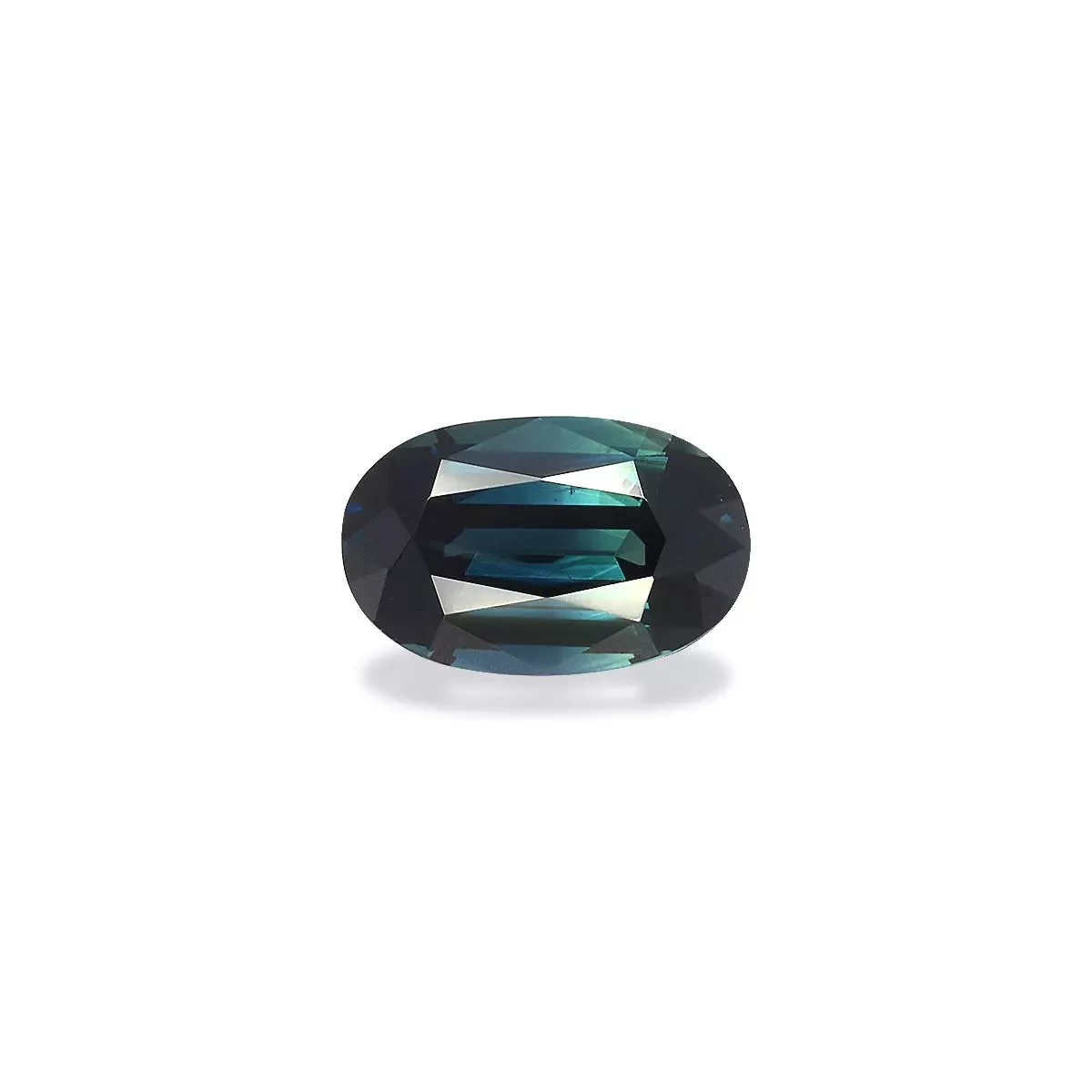
Teal Sapphires: The Blue-Green Stone Australia Fell in Love With
By Russell, VividCarat — China Fort Market, Beruwala, Sri Lanka
My Australian clients ask about teal sapphires more than almost anything else. There's a reason for that: Australia actually mines them, and the color has become genuinely fashionable there — right alongside the pastel blue and pink sapphires that dominate the local bridal market. When someone from Melbourne or Auckland messages me asking for "that blue-green stone," I know exactly what they want.
I've been building a teal collection for over a year. Some stones I bought at rough sorting, cut myself through my Bangkok cutter. Others I found at gem shows in Bangkok and Hong Kong, where teal sapphires are always present in decent volume — this isn't an impossible-to-find stone. What is hard to find is a good one.
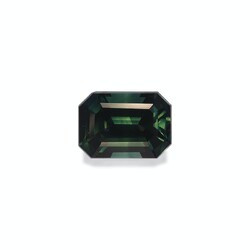
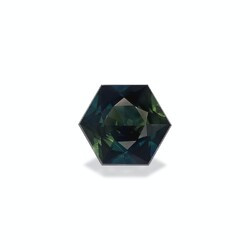
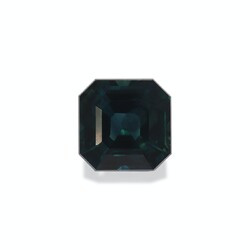
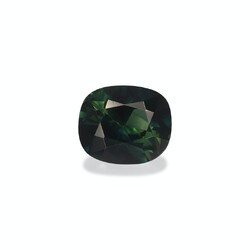
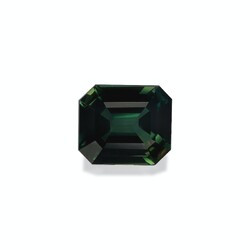
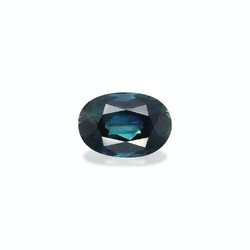
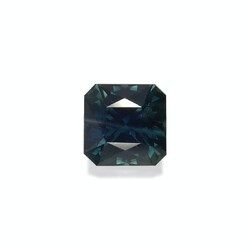
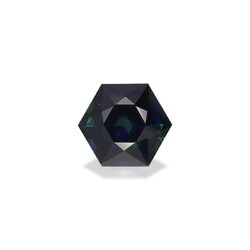
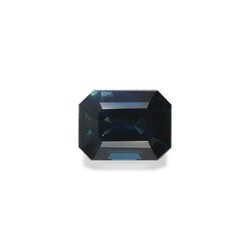
Here's the problem with Australian teal sapphires that nobody tells buyers upfront: the yield of gem-quality material is very low. Cut the average Queensland rough and you'll get a dark, near-black stone with green and blue locked somewhere inside, invisible in normal light. The color is there — it just doesn't travel to your eye. The stones that do work, the ones that are bright, saturated, genuinely blue-green with life in them — sometimes with a yellow flash that makes them tri-color — those are the exceptions. And when you find one, it's worth paying attention to.
Why Two Teal Sapphires Look Nothing Alike
Teal sapphire pricing is built almost entirely on one variable: how the blue and green balance in actual light, not in a photograph.
| Color Profile | What It Looks Like | Market Range |
|---|---|---|
| Vivid true teal (50/50 blue-green) | Electric, shifts with light angle | $1,200–1,650/ct |
| Blue-green teal, eye-clean | Predominantly blue with green presence | $790–1,280/ct |
| Parti / tri-color (blue-green-yellow) | Visible color zones in a single stone — Australian specialty | $600–980/ct |
| Dark or near-black teal | Color visible only in strong light | $150–400/ct |
Prices sourced istings, unheated stones, 1–7ct range.
Origin matters too, and buyers from different markets ask about different sources. Montana sapphires (USA) tend to run cleaner and lighter in tone — smaller rough, less dark material, higher prices per carat. Australian stones are where you find true parti character, those blue-green-yellow color zones that have become a distinct aesthetic. Sri Lankan teal runs richer in blue, closer to blue-green than true 50/50. There is no "best" origin here — it depends on what color balance you're after.
Unheated stones carry a 30–50% premium over heated material of equivalent color. With teal sapphires specifically, heat treatment often pushes the green toward blue — many stones lose their teal character entirely under the torch. An unheated stone that's held its true teal is worth documenting with a GIA or GRS certificate that explicitly states "no heat."
When Teal Is the Wrong Choice
Don't buy a teal sapphire from a photograph. The color shift between lighting conditions — daylight, LED, incandescent — can move a stone from vivid blue-green to grey-blue to near-black. What looks stunning in a seller's lightbox photo may look dull in your kitchen.
On our Zoom call I hold the stone under three light sources: LED, natural window light, and incandescent. You tell me if the green disappears. If it does, I pull the next stone. That's the only way to buy a teal sapphire with confidence — you need to see it move, not sit still in a controlled photograph.
Don't buy uncertified Australian material presented as "rare." The supply is consistent enough that rarity claims on standard stones don't hold. Rarity applies only to vivid, clean, large examples — and those deserve a certificate.
If you want a stone to read from across a room in a halo setting, teal may disappoint you. These stones reward close inspection. A blue sapphire or blue-green tourmaline might serve your setting better.
FAQ
Is a teal sapphire natural or treated? Most teal sapphires on the market are heat-treated — the same standard practice used across the sapphire industry. Heat is accepted and stable. The issue specific to teal: heating often shifts the color toward blue, erasing the green component. An unheated teal sapphire that has retained its natural color balance is genuinely rarer and carries a significant price premium. The certificate should state "no indications of heating" explicitly — "natural" alone doesn't confirm treatment status.
Is teal sapphire good for an engagement ring? Yes, with one caveat. Sapphire is 9 on the Mohs scale — durable enough for daily wear, resistant to scratching. The issue is venue lighting. Under warm incandescent light (most restaurants, most venues), a darker teal stone can shift toward near-black and lose the color entirely. If the ring will be worn everywhere, prioritize a vivid, well-saturated stone in the 1–2ct range rather than a larger but darker specimen.
How is teal sapphire different from blue-green sapphire? "Teal" refers specifically to a roughly equal balance of blue and green — the 50/50 point that reads as a true blue-green rather than either color dominating. "Blue-green sapphire" is a broader description where blue is the primary hue with green secondary. In pricing, true teal commands a premium over blue-green because the balanced point is harder to find in nature and more distinctive visually. On certificates, labs typically describe the hue rather than use the word "teal" — you'll see "blue-green" or "greenish blue" in the color description.
How to Buy From Me
I currently have teal sapphires in stock — Sri Lankan stones and material I've sourced at Bangkok and Hong Kong shows. We do a Zoom call, I hold the stone under three light sources, you see exactly what the color does before any commitment. I can hold specific stones for 48 hours after a call if you need time to decide.
No deposit required to look.
→ Book a Zoom consultation | No deposit, no commitment