




_72x72_851_72x72_851.webp)
_72x72_851.webp)




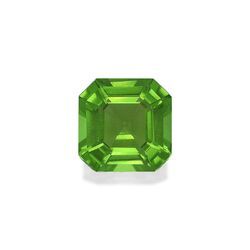
Peridot is a beloved gemstone known for its lively green hues. The amount of iron in a peridot's chemical structure directly impacts the intensity and shade of green color it displays.
By understanding the wide range of possible peridot color variations, you can better appreciate the beauty and make a wiser choice when buying peridots.
What Influences Peridot Color
Peridots with higher iron content appear darker olive-green while those with less iron look yellow-green or golden lime green
More flaws and inclusions make the peridot appear darker. Very transparent stones showcase the most vibrant greens.
Peridot Color Chart
|
Color |
Description |
|
Lime green |
Youthful bright green with yellow tones |
|
Chartreuse |
Vibrant spring green color |
|
Olive green |
Deeper and darker green with gray tones |
|
Forest green |
Rich, deep green with less yellow |
The most prized peridots display a lively yet rich golden-green color, not too dark or too pale. The tinge of yellow sets it apart from emerald’s more bluish-green tones.
Most Desirable Peridot Shades
The most valuable peridot colors include:
- Vibrant lime green with a hint of yellow
- Deep lemony chartreuse green
- Bright olive tones retaining some lightness
Deeper olive stones can be equally beautiful but may appear brownish if too dark. On the other end of the spectrum, pale yellowish greens lack vibrancy. Finding the perfect harmony of rich color yet lively brightness makes peridot a good purchase for gem lovers and collectors.
Price Factors and Valuation of Peridot in New York City
Color is King
Peridot's vibrant green is its selling point. Stones with a rich, intense color command higher costs. The most valuable display is a bright golden lime-green. Olive green is also prized but can appear brownish if too dark. Pale yellow greens are less desirable.
Cut and Carat Weight Matter
Well-cut peridots with maximum brilliance gleam beautifully. Larger carat weights naturally fetch higher prices per carat. Most peridots fall between 1 to 5 carats. Rare 10+ carat stones can reach exorbitant prices.
Average Peridot Prices
|
Carat Weight |
Price Range |
|
1 carat |
$50 – $80 |
|
3 carat |
$150 – $250 |
|
5 carat |
$300 – $500 |
Mined vs Lab-Created
Mined peridots from places like Arizona or Pakistan are generally more valued than manufactured stones. However, some labs can produce exceptional greens.
Treatments Can Enhance
Heat treatments enhance color and clarity in peridots. This can increase desirability but treated stones may still trade for less than untreated ones, depending on the enhancement level.
In summary, vibrant color, pleasing cuts, natural sourcing, and carat weights drive peridot's cost while availability keeps prices affordable. Discerning value distinctions allows smart purchases.
Chemical Composition and Treatment Techniques
Chemically, peridot is a magnesium-iron silicate mineral belonging to the forsterite-fayalite olivine series. Its chemical formula is (Mg,Fe)2SiO4. The iron content influences its depth of green.
In nature, the mineral forms in igneous rocks at high temperatures deep below the Earth's crust and then gets brought up by tectonic forces and volcanic eruptions. Few sites exist where geologic conditions allow gem-quality peridot crystals to form.
Color and Clarity Enhancement
Most commercial peridot undergoes some type of post-mining treatment to improve appearance.
- Heat treatment- Heating iron-rich stones to 900°C can deepen the green color from yellow-green to olive-green
- Acid washing- Dissolving surficial impurities can enhance clarity
- Dyeing- Rare but impermanent dye can be diffused into fractures
Well-executed treatments are stable, non-reversible, and openly disclosed at sale. They heighten salability. Heavily treated yet disclosed stones still trade for less than comparable unenhanced ones. Subtle heat optimization offers the most authentic, valuable option for showcasing peridot's natural chemical splendor.
Treated gemstones preserve their beauty and look stunning in rings, necklaces, and other jewelry pieces. Reputable jewelers should inform customers about any alterations made to gems before purchasing.
Investing in Peridot: A Gemstone with Growing Appeal
Peridot remains overlooked as a rare investment-worthy gemstone yet market trends signal the delicate green mineral could start shining among savvy collectors. Its inherent supply limitations coupled with a burgeoning high-end jewelry presence primes the lively light green stone for long-term growth potential.
Choosing Investment-Grade Peridot in New York City
Select peridots featuring:
- Natural mining origins (not synthetic)
- Saturated medium-dark green hue
- 5 carats or larger
- Minimal or subtle heat treatment for color enhancement
Larger sizes showcase more complete natural beauty yet stay cost-effective with fewer inclusions than emeralds.
Why Peridot Appeals to Investors
Factors driving the appeal of peridot investments in New York City include:
- Finite supply – Few economically viable deposits prevent oversupply
- Increasing demand – Big jewelry brands like Tiffany and Cartier are launching high-end lines featuring peridots
- Rarity factor – Extraordinary large stones weighing 10 carats or more may enter the auction market
- Durability – Crisp facets and high sonic clarity ratings contribute to wearability in various settings. Our jewelry store, vividcarat.com, offers jewelry with peridots as well as loose gemstones.
Peridot Market Value Projections
|
Year |
Price Per Carat |
|
2024 |
$80 |
|
2026 |
$150 |
|
2030 |
$225+ |
Supply limitations and shifting preferences towards green jewelry signal steady price increases for top-tier investment peridots. The time is now to acquire high-quality specimens.