

_72x72_bd5_72x72_bd5.jpg)
_72x72_bd5.jpg)


Purple Sapphires: The Color That Surprises You Twice
By Russell, VividCarat — China Fort Market, Beruwala, Sri Lanka
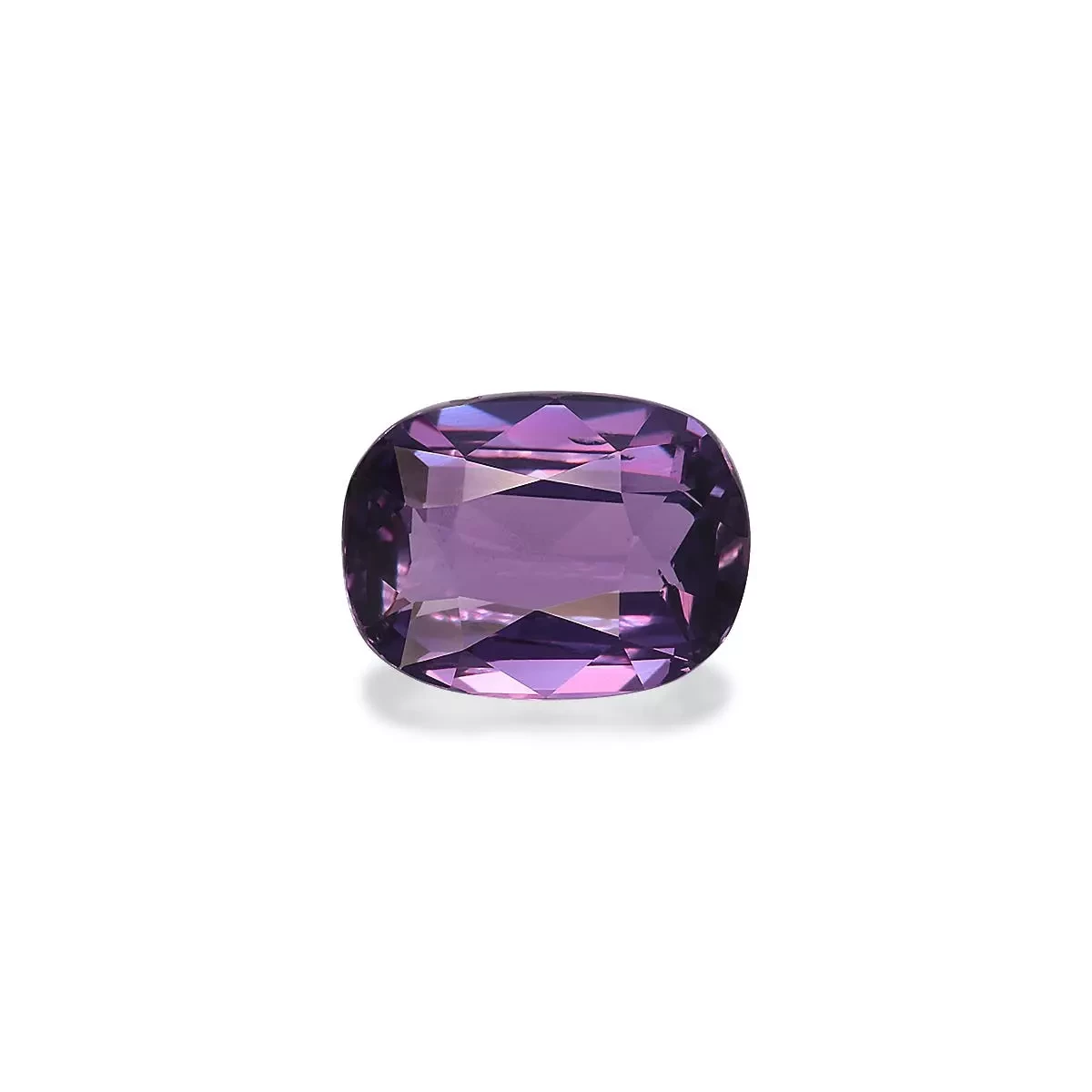
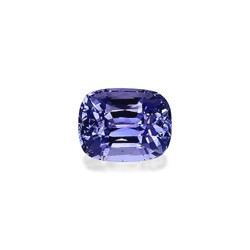
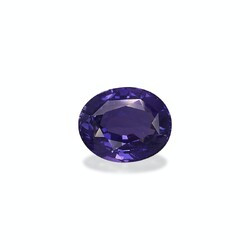
The first surprise happens when the stone comes back from the cutter. You sent rough — Sri Lankan or Madagascan material, blue-purple, ambiguous in the hand. You don't know what you're going to get. The cutter doesn't know either. When the rough opens up under the wheel, the color declares itself: blue, or purple, and at what saturation. You can't control it and you can't predict it. When the answer is purple — a real purple, not blue with a suggestion of violet — it stops you. I photograph every stone like that immediately, before anything else, because there's nothing quite like it in the market. Not tanzanite. Not amethyst. Something else.
The second surprise is what happens to that same stone under the wrong light in the wrong city. Take a vivid purple sapphire — deep, saturated, beautiful in Sri Lanka — and put it on someone's finger in Oslo or Munich in November. Under low northern light, a stone that is too dark reads as near-black. The color is still there, technically. But it doesn't travel to the eye.
Both of these things shape how I source and sell purple sapphires.
The Thing Most Sellers Don't Tell You About Heat
Purple sapphires behave differently from blue sapphires when heated. In blue sapphires, heating typically improves or intensifies color. In purple sapphires, heating often destroys it — the purple component shifts toward blue or pink, and what comes out of the oven is no longer what went in.
This means the finest purple sapphires on the market are predominantly unheated. Not because unheated is a marketing category, but because heating ruins the stone. A vivid purple with GIA or GRS "no indications of heating" is not just investment-grade by convention — it's unheated because the alternative was a blue sapphire nobody wanted.
For buyers: any purple sapphire being sold as heated should come with a convincing explanation of why the heat didn't damage the color. That explanation is rare because the outcome is rare.
The Latitude Problem
Purple sapphires are light-sensitive in a way that matters geographically.
The rule I apply: a stone that reads vivid and saturated in Beruwala or Bangkok will read one to two tones darker in northern European or northern US light conditions. A stone sitting at the edge of "deep" in direct Sri Lankan sunlight becomes effectively opaque in diffuse winter light in London or Stockholm.
The practical consequence: buyers in northern latitudes — the UK, Germany, Scandinavia, Canada, the northern US — should look for stones on the lighter side of their preferred color, not the darker. A stone that seems slightly less saturated than ideal on a Zoom call from Sri Lanka will likely perform better over a year of actual wearing conditions than the more dramatic stone that looks perfect in the video.
I apply this correction automatically when sourcing for clients in these markets. It's one of the few pieces of sourcing logic that almost nobody puts in writing.
What the Market Charges
Verified wholesale-adjacent ranges for faceted, eye-clean material:
| Color & Treatment | Carat | Market Range (USD/ct) |
|---|---|---|
| Lavender / light violet, unheated | 1–3 ct | $750–1,250/ct |
| Medium purple, unheated, Sri Lanka | 1–2 ct | $970–1,750/ct |
| Medium purple, unheated, Madagascar | 2–4 ct | $1,250–2,175/ct |
| Vivid purple, unheated, Sri Lanka | 2–3 ct | $2,500–3,900/ct |
| Vivid purple, unheated, 5ct+ | 5ct+ | $2,175–4,900/ct |
The unheated premium in this category is structural, not cosmetic — because heating typically doesn't improve the stone, fine purple sapphires simply are unheated. Heated material at equivalent apparent color exists but is genuinely uncommon at fine grades.
When Purple Sapphire Is the Wrong Choice
Don't buy a deep, vivid purple sapphire if you live above 50°N latitude and the stone will be worn daily indoors. The color that thrills you in the purchase will disappoint you in January. Go one grade lighter than your instinct says.
Don't buy without a certificate for anything above $800 total. Purple sapphires overlap visually with amethyst, tanzanite, and synthetic corundum. None of these are the same material or the same durability. A GIA or GRS certificate stating "corundum" eliminates the question.
Don't buy a heated purple sapphire at unheated prices. If the seller doesn't raise the treatment question, raise it yourself. The certificate must say "no indications of heating" — not "natural," which only means it isn't synthetic.
How to Buy From Me
When a purple sapphire comes out of rough at a color worth keeping, I certify it immediately. What's in the catalog represents stones that passed both tests: the color deserved documentation, and the documentation confirmed what the color suggested.
We do a Zoom call — I hold the stone under natural window light and LED so you see both. For clients in northern markets I'll specifically show how the stone behaves under lower light before you commit.
→ Book a Zoom consultation | No deposit, no commitment
FAQ
How is purple sapphire different from tanzanite?
They overlap in color range but are completely different stones. Tanzanite is zoisite — Mohs hardness 6.5, mined exclusively in one small area of Tanzania, and notably fragile compared to corundum. Purple sapphire is corundum — Mohs 9, second only to diamond, suitable for daily wear in rings without protective settings. Tanzanite's color is also more strongly trichroic: it shifts between blue, violet, and burgundy depending on the viewing angle in a way purple sapphire doesn't. The price structures diverge too — tanzanite's value is heavily tied to the single-source supply from Merelani; purple sapphire comes from Sri Lanka and Madagascar with a different supply dynamic. If you want the color for a ring worn every day, sapphire is the more practical choice. If you want the specific optical behavior of tanzanite, sapphire won't replicate it.
Why does my purple sapphire look dark or almost black indoors?
Because it probably is too dark for your light environment. Purple sapphires, like all deeply saturated corundum, require sufficient light transmission to show their color. In low ambient light — overcast northern climates, indoor office lighting, evening restaurant conditions — a stone that sits at the darker end of its color grade will absorb rather than transmit, reading as near-black to the eye. The color is still there in the crystal. It just isn't reaching you.
This is why I apply a one-to-two tone correction when sourcing for clients in northern markets. A stone that appears slightly less dramatic on a Zoom call from Beruwala in strong equatorial light will typically perform better year-round in London or Oslo than the more vivid stone that photographs beautifully in the video. If your stone looks dark indoors and you're in a northern latitude, the stone likely wasn't selected with your environment in mind — not a defect, but a mismatch.