





_72x72_851_72x72_851.webp)
_72x72_851.webp)




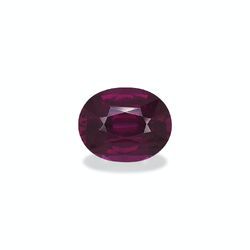
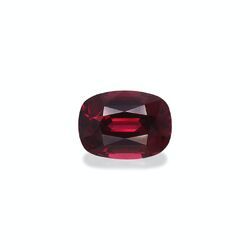
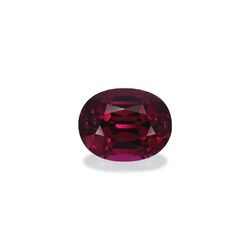
Rhodolite garnet is a type of garnet that displays a vivid purplish-red color. It is a mixture of garnets from Pyrope and Almandine.
The name of this precious stone comes from the Greek words meaning "rose stone," referring to its distinctive hue. Here's a quick guide to everything you need to know about this gemstone.
What Gives Rhodolite Its Color
The color of rhodolite garnet is due to its specific chemical composition. It is primarily composed of pyrope (red garnet) and almandine (violet-red garnet), as well as minor amounts of grossular (colorless, yellow, or reddish-orange garnet) and spessartite (orange to red-brown garnet).
This blend results in rhodolite's signature purplish-red shades. The exact hue can range from:
- Pinkish purple
- Purplish red
- Reddish purple
- Raspberry red
The most valued rhodolite colors are vivid purplish reds that resemble fine amethyst.
Rhodolite Garnet Properties
|
Property |
Details |
|
Refractive Index |
1.712 – 1.770 |
|
Specific Gravity |
3.5 – 3.8 |
|
Mohs Hardness |
6.5 – 7.5 |
Its hardness makes rhodolite suitable for any kind of jewelry, while its brilliance and fire enhance its beauty. The clients of our jewelry store in New York City highly appreciate these specimens of garnet.
Unique Features
What truly sets rhodolite apart is its one-of-a-kind purple-red color. This striking hue gives it a glamorous appeal fitting for fine jewelry.
Price Per Carat: Evaluating Rhodolite Garnet's Value in New York City
Rhodolite garnet is admired for its rich, raspberry-red hues. But what determines the value of this gemstone, and how much does it cost per carat?
Here's a closer look.
Color Grading
Rhodolite's distinctive purplish-red color is its most prized asset. These precious stones are graded by hue, depth of color, and tone:
- Hueranges from pinkish red to purplish red
- Depth of colorrefers to how dark or vivid the hue is
- Tonedescribes how light or dark it is
The most expensive rhodolites exhibit a saturated, slightly purplish red. Pale or brownish hues are less desirable.
Clarity
Like other colored stones, eye-clean rhodolites with no visible inclusions command premium pricing. Minor flaws may be tolerated if the color is exceptional.
Cut Quality
Well-cut rhodolites showcase superior brilliance. Precision faceting that maximizes fire and scintillation can increase value.
Carat Size
Larger clean rhodolites meeting top color standards are scarce and priced higher.
|
Carat Size |
Price Range Per Carat |
|
Under 1 carat |
$150 – $500 |
|
1 – 3 carats |
$600 – $1,500 |
|
Over 3 carats |
Over $1,500, up to $18,000+ |
In 2010, a 20.79-carat rhodolite sold for $150 per carat or $3,119 total.
While not as costly as ruby or pink sapphire, fine-quality rhodolite in larger sizes still demands a premium. Its scarcity, combined with its mesmerizing color, makes this garnet a smart purchase for those who want to buy loose gemstones. Our jewelry store located in New York City offers a wide range of rhodolites. Go to the website vividcarat.com and see what precious gemstones are available in stock now.
Mining Locations and Methods
The unique red-purple hues of rhodolite garnet have captivated gem seekers worldwide. Discerning buyers advert either the natural characteristics of precious stones or their place of origin.
Four Core Mining Locations
The major supply regions for gem-quality rhodolite are:
- Tanzania:Significant deposits unearthed through both small and large-scale mining
- India:Garnets are mined in southern states like Andhra Pradesh and Odisha
- Sri Lanka:Precious rhodolites are discovered in alluvial deposits dating back over 500 years
- Madagascar:Recently emerged as a key producer with finds in granite bedrock
Smaller reserves have also been found in Pakistan, Brazil, and Canada.
Two Primary Mining Approaches
Rhodolite mining falls into two main categories:
1. Open-Cast Mining
Open-cast mining involves removing surface deposits in large pits. This method is used for recent alluvial and eluvial deposits, which are easier to access but tend to have less abundant gems.
- Underground Mining
Underground mining involves extracting gems from deep underground rock layers. Tunnels are dug to reach rich garnet-bearing bedrock, which requires greater expertise and is more expensive but can yield higher yields.
Proper safety precautions are vital, especially for hazardous underground operations. Advanced techniques like optical sorting help improve process efficiency.
In the hands of a skilled cutter, rough crystals from these remote mines blossom into the scintillating rhodolite gems prized by jewelers and collectors worldwide. Proper mining supports this wondrous transformation.
Chemical Composition and Treatment of Rhodolites
Rhodolite garnet’s stunning purple-red colors and brilliance capture the attention of any piece of jewelry.
But what chemistry gives rise to its beauty, and does it require any treatment to enhance it further?
The Rhodolite Blend
Rhodolite’s signature color comes from its unique chemical mixю As Rhodolite Garnet has a mix of Pyrope and Almandine, we should observe the chemical composition of these two stones.
Pyrope garnets contain magnesium which contributes a pure red color. Almandine garnets include iron which ass darker red to violet hues. Additional traces of grossular and spessartite also influence rhodolite’s appearance.
This natural blend of garnet species produces rhodolite’s prized raspberry red shades without the need for heating or other treatment.
Judicious Gem Testing
To confirm an attractive purple-red stone is a genuine rhodolite, gem labs can analyze its chemical properties through:
- Refractive index– measures how much light bends when passing through the stone
- Specific gravity– compares density to water
- Spectroscopy– reveals elemental composition
These tests can verify if iron, magnesium, and other expected elements are present in the correct proportions.
Enhancing Natural Appeal
Unlike many gems, rhodolites do not undergo heat or other treatments. Their stunning natural colors already satisfy demand. Skillful cutting simply helps nature’s work shine.
Certification and Investment: Ensuring Authenticity and Value
With its distinctive color and brilliance, rhodolite garnet makes a striking addition to any gem collection. When investing in this beautiful stone, buyers should verify its value and ensure a wise deposit.
Seeking Third-Party Reports
Leading gemological labs like GIA, AGL, and Gübelin Gem Lab issue reports assessing a stone’s quality characteristics. These impartial certificates detail vital criteria:
- Weight, dimensions, shape
- Clarity grade and specifics on inclusions
- Cut grade evaluating facet symmetry
- Country of origin
- Any detectable treatments
Reports confirm genuineness and provide benchmarks for pricing.
Insuring Your Investment
Documentation also supports insurance appraisals. Insurers may request lab reports when assessing replacement value for lost, damaged, or stolen items.
Building a Portfolio
For investors creating a well-balanced gemstone portfolio, rhodolite offers an affordable option compared to big-ticket rubies. High-quality gems over 5 carats with supporting certification can be appreciated over decades.
So when adding rhodolite garnet to your gem vault, insist on reliable grading reports. Our jewelry stores located in New York City provide all the documentation for loose rhodolites as well as for other gemstones.