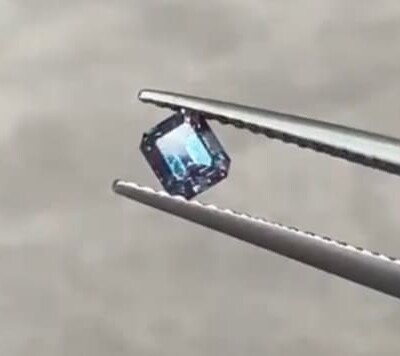
Alexandrite is a rare and valuable variety of the mineral chrysoberyl that changes color depending on the type of lighting. While Russian alexandrite has long been prized, a new source emerged in Tanzania beginning in the 1990s.
Discovery and Early Mining
Alexandrite was first discovered in Tanzania in the 1990s near Lake Manyara. Small-scale mining operations popped up, with locals using simple methods to mine the gem rough.
By the late 1990s, foreign investors started exploring other regions. This led to the discovery of additional gold deposits in Mahenge and Tunduru.
Unique Properties
Tanzanian stones exhibit electric, neon-like tones. They stand out for their vivid green-to-red-purple color change, while Russian tones shift from blue to red.
The color change is attributed to trace elements like vanadium and chromium in the mineral composition.
Tanzanian alexandrite is still actively being mined today and remains popular for its distinctive green and purple tones. While supplies have stabilized since the initial rush, the uniqueness of these vibrant gems should continue to make them highly coveted among collectors and gem connoisseurs alike.
Chemical Composition and Chromatic Magic
The vivid green and purple hues of Tanzanian alexandrite are a direct result of its unique chemical composition. Here's an inside look at why these gems dazzle:
Color-Changing Chromium
Tanzanian alexandrite contains trace amounts of chromium, which is responsible for its remarkable ability to change color:
In daylight – Cr3+ ions absorb red/orange light → reflect bluish-green
Under incandescent light – Cr3+ ions absorb green/blue → reflect red wavelengths
This optical phenomenon where a gem changes color depending on the light source is called the “alexandrite effect.”
Vanadium Boosts Brightness
While all alexandrite contains chromium, Tanzanian stones also have vanadium:
- Vanadium3+ ions provide extra brightness and saturation
- Causes vibrant neon green and fuchsia-purple hues
Chrysoberyl Crystal Structure
The chrysoberyl mineral itself also plays a role. Its layered structure allows light to interact with the chromium and vanadium ions to produce color change. Without this physical matrix provided by the crystal, alexandrite’s chemical magic could never occur.
Color Palette of Tanzanian Alexandrite
One of the most exciting aspects of Tanzanian alexandrite is the kaleidoscopic range of colors it displays. Hues can skyrocket prices per carat.
Tanzanian alexandrite displays a wider range of vivid greens and purples compared to Russian stones. From fresh minty greens to regal magentas, these are some hues you can expect:
Daylight Hues
Under natural and fluorescent light, Tanzanian alexandrite leans green and bluish-green. Common daylight tones include:
- Bright green – Resembles fine emerald
- Seafoam green – Soft blue-green with hints of aqua
- Teal – Vivid blue-green with intensity
Incandescent Hues
The colors shift dramatically under incandescent light. Radiant reddish purples emerge:
- Magenta – Vibrant reddish-purple, may see blue hints
- Raspberry – A rich mix of red and purple
- Plum – Deeper royal purple with red undertones
Tanzanian Alexandrite Mining Locations
While alexandrite deposits have been discovered across northern Tanzania, active mining today occurs in just a few isolated areas. Here are the primary current sources:
Lake Manyara
The first Tanzanian alexandrite discovery lies along this rift valley lake in the Arusha region. Mining continues on a small scale but yields far less compared to the 1990s bonanza. Stones from here exhibit a bluish-green color change.
Tunduru
Tunduru is one of the only major active Tanzanian mines, located in the southern Ruvuma region. Yields fine crystallized alexandrite in hues shifting from yellowish-green to purple-red. Much of the production comes from artisanal local miners.
Mahenge
This mountainous, roadless area once produced large high-quality crystals. While exhausted as a primary source today, local miners still occasionally find alexandrite here. Stones lean red in color change.
Tanzanian alexandrite mining remains small-scale, inconsistent, and access-dependent on rugged terrain. This scarcity adds to the stone’s preciousness for collectors and jewelers.
Only 1,000-2,000 carats enter the global market each year.
If you want to buy rare loose gemstones, or jewelry with inlaid alexandrites, chrysoberyls, rubies, or other gems, check the catalog of stones available in stock on vividcarat.com. We are based in New York City and offer full-service assistance for customers. To satisfy all your needs, we also offer an option of purchasing customized jewelry settings by your designs.
The Cost of Tanzanian Alexandrite Per Carat
With its scarcity and stunning color change abilities, Tanzanian alexandrite commands high prices per carat, especially for fine gem quality stones. Here is what influences the value per carat:
Color Change Intensity
The most important factor is the vividness of the alexandrite’s green-to-purple shift:
- Weak change: $1,000-$3,000 per carat
- Moderate change: $3,000-$5,000 per carat
- Strong change: $5,000-$10,000+ per carat
More saturated and dramatic color change means higher value.
Clarity and Cutting
As with all precious gemstones, the quality of cutting and clarity impact value:
Well-cut stones over 1 carat showcasing color change are most desirable and costly. Eye-clean clarity is ideal, but minor inclusions are common
Impeccable cutting helps lighter, cleaner stones of less than a carat fetch over $1,000 per carat.
Additional Factors to Consider When Purchasing Alexandrite in New York City
As a rare gem from a limited supply, investment-grade Tanzanian alexandrite will likely continue appreciating over time.
Provenance, rarity of variety, and source also contribute to market price. For example, gems from Lake Manyara average higher prices per carat due to scarcity and reputation. Our team is here to provide extensive assistance in choosing and purchasing precious stones at our New York City-based jewelry store, vividcarat.com