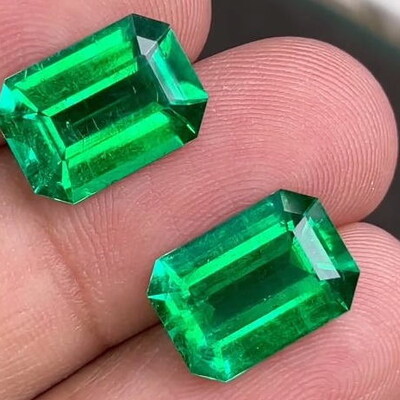
Emeralds from Afghanistan carry a reputation both alluring and complex. Traders, collectors, and jewelers point to one valley above all others: Panjshir. The mines there, scattered across jagged ridges and steep gullies, have produced stones since at least the 1970s—although fragments traded along the Silk Road hint at a much older story.
Mining Landscape
The emerald belts of Panjshir sit between 7,000 and 14,300 feet, a punishing altitude. Khenj District, home to the Mikeni and Butak workings, consistently yields fine stones. Paryan District hosts the Panjshir Emerald Mine, considered among the most productive. Rokha District adds Darun and Kalatak, smaller but still valuable contributors.
Extraction techniques remain basic. Some crews drive tunnels to chase narrow veins, while others open broad pits. Pickaxes, chisels, hammers—low-tech tools do most of the work. Snow and bitter cold cut operations to a few workable months each year. Moving rough down valley often involves pack animals more than machines. Agreements on profit sharing, formed decades ago, continue to govern relationships between miners and local groups.
Characteristics
Afghan emeralds attract buyers for three reasons: color, clarity, durability. Many stones exhibit a saturated green leaning subtly toward blue. Inclusions appear, as with nearly all emeralds, but in Panjshir they tend to be fewer. With hardness reaching 8 on the Mohs scale, jewelry use is practical.
Trapiche emeralds from Afghanistan deserve a separate mention. These rare stones form a six-spoked wheel pattern radiating from the core, caused by albite and quartz intersecting growth. Few locations worldwide yield such material, and Afghan mines stand among them.
| Characteristic | Description |
|---|---|
| Pattern | Six-spoked, wheel-like growth from the center |
| Composition | Emerald with albite and quartz inclusions |
| Rarity | Extremely rare, found in limited sites worldwide |
Formation and Host Rocks
Two geological settings dominate Panjshir production. Hydrothermal veins, where mineral-rich fluids cooled inside fractures, host many finds. Pegmatites, pockets within igneous rock enriched with beryllium, form another. Associated minerals often appear: quartz, feldspar, mica, calcite, pyrite.
Host rocks shape chemistry and structure. In Panjshir, emeralds occur in talc-carbonate schists, quartz-dolomite veins, and metamorphosed limestones. Each provides slightly different trace element balances. Chromium gives the strongest green, vanadium shifts it bluish, and iron can tint yellow. This combination often produces the darker green shades collectors admire.
Pricing Dynamics
New York dealers quote Afghan emeralds across a wide spectrum. Color remains the largest driver. Stones showing vivid, saturated green with faint blue tones fetch higher numbers. Transparency also plays heavily: fewer inclusions, higher value. Larger sizes, predictably, sell for more, while treatments reduce pricing power.
| Quality | Price Range per Carat |
|---|---|
| Low | $50 – $200 |
| Medium | $200 – $500 |
| High | $500 – $620+ |
These figures shift constantly with supply and demand. Market volatility keeps traders alert.
Treatment Practices
Most emeralds undergo some form of enhancement, Afghan stones included. Oiling—filling surface fissures with resin or clear oil—remains standard. This reduces visible inclusions, sharpens transparency, and improves saleability. Less common approaches include dyeing or coating, though reports exist.
Even treated stones still appeal strongly to buyers, especially in finished jewelry, though investors lean toward untreated pieces.
Detection involves several techniques. Gemologists inspect fissures under microscope, where oil can often be seen. Some resins fluoresce under UV light. Infrared spectroscopy confirms oils by absorption pattern.
Certification and Investment
Certification plays a vital role in trade confidence. Laboratories like GIA and AGS grade emeralds on color, clarity, cut, weight, and treatment disclosure. Buyers and investors gain assurance on authenticity.
Investment requires more than a grading report. Provenance can alter pricing dramatically. A stone with documented history commands more trust and stronger bids than one without paperwork. Rarity matters—size, saturation, and cleanliness all contribute. Market demand, sometimes fickle, adds a final layer.
| Factor | Description |
|---|---|
| Provenance | Verifiable history of origin and ownership |
| Rarity | Evaluated through size, clarity, and color |
| Market Demand | Ongoing appetite in trading centers |
| Pricing | Comparison with similar stones to check fairness |
Consider this: two emeralds look almost identical. One carries certificates showing mine origin, ownership chain, and lab analysis. The other, nothing. The first will nearly always fetch the higher price, no matter how close the gemological quality.
Evaluating Stones in New York
Dealers in New York suggest a process. First, secure a grading report. Then check color—rich, evenly distributed green with slight blue gains premium recognition. Examine clarity under light. Some inclusions are tolerated, but the fewer the better. Finally, study the cut: well-proportioned stones disguise inclusions and emphasize color.
Retail and Supply
Stores like vividcarat.com in New York sell both treated and untreated Afghan emeralds. The company sources loose stones and finished jewelry, offering investment-grade pieces alongside everyday wearable gems. Buyers can find material tailored to budget, from $200 pieces to much higher.