

_72x72_851_72x72_851.webp)
_72x72_851.webp)





Pink Sapphires: The Stone That Arrived in a Glowing Bag
By Russell, VividCarat — China Fort Market, Beruwala, Sri Lanka
I met my Ilakaka dealer in a business lounge in Dubai. We were both on layovers. I noticed the loupe hanging around his neck — the universal signal — and one question led to another. He was Sri Lankan by origin, working the Madagascar deposits out of Ilakaka. We exchanged contacts, checked in on LinkedIn, and started doing business.
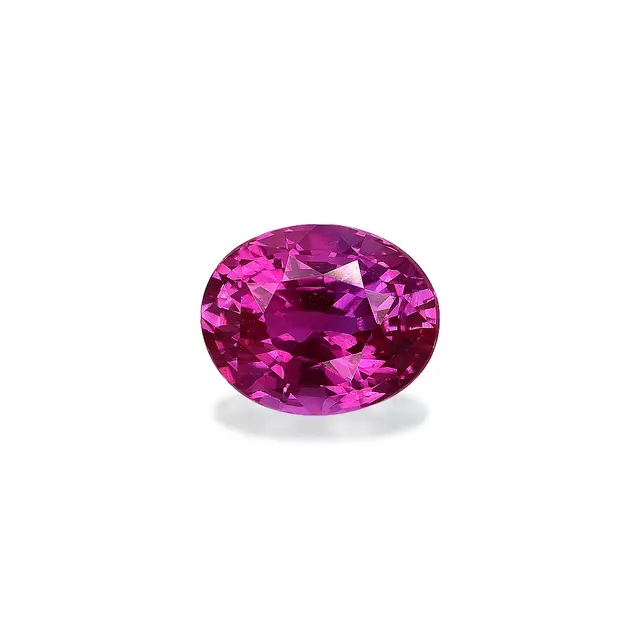
The first shipment was a bag of rough pink sapphires the size of thumbnails. When I opened it, the stones glowed — a dense, tangled cluster of vivid pink, like a knot of cotton candy that hadn't been cut yet. Still rough, still unpolished, and already that color. I remember thinking: this is unusual. Madagascar Ilakaka material is known for volume, but this batch looked different from the moment I opened the package.
My instinct held. The yield on gem-quality material came in above 20% — significantly better than typical Madagascar rough, where 5–10% is more common at fine grade. The best stones moved in the first week. Clients who saw them on Zoom didn't need long.
What the Color Actually Means for Pricing
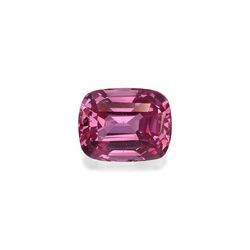
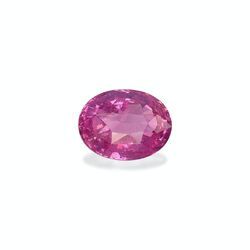
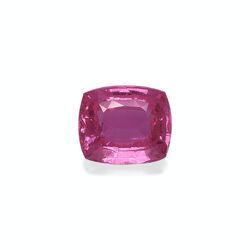
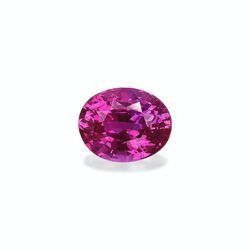
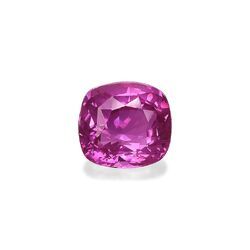
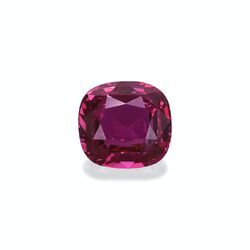
Pink sapphires run from pale blush to vivid hot pink bordering on ruby. That spectrum isn't cosmetic — it drives price more than almost any other variable.
The market divides cleanly into three tiers based on color intensity and treatment:
| Color & Treatment | Carat | Market Range (USD/ct) |
|---|---|---|
| Baby pink / pastel, heated | 1–3 ct | $400–900/ct |
| Medium pink, unheated, Sri Lanka | 1–2 ct | $1,043–1,791/ct |
| Medium pink, unheated, Madagascar | 2–3 ct | $1,357–1,904/ct |
| Vivid / hot pink, unheated, Madagascar | 2–4 ct | $4,900–6,300/ct |
| Intense pink, unheated, Mozambique | 4ct+ | $7,900+/ct |
Prices based on current wholesale market data, unheated stones, eye-clean clarity.
The unheated premium in pink sapphires is real but not as structurally dominant as in blue sapphires. The reason: heating pink sapphires often works — it can deepen color without destroying the hue the way it sometimes does in purple material. A heated fine pink is a legitimate purchase. An unheated fine pink is a different asset class.
The Ruby Question Every Buyer Asks
Pink sapphires and rubies are the same mineral — corundum — differentiated by color saturation. GIA draws the line: stones with pure red to purplish-red hues at sufficient saturation are rubies. Stones that read unmistakably pink, regardless of saturation, are pink sapphires.
In practice this means: a vivid hot pink stone approaching ruby color will be certified as pink sapphire if the dominant hue is pink rather than red. That stone will trade significantly below an equivalent ruby because the name carries less market premium — even if the visual difference is marginal. For buyers who want the color without the ruby price tag, this is the opportunity the market consistently underprices.
The practical test on a certificate: look at the "Color Description" field. "Pink" is pink sapphire. "Red" or "Purplish Red" at strong saturation is ruby territory.
When Pink Sapphire Is the Wrong Choice
Don't buy a pale pastel pink sapphire expecting it to perform like a vivid stone in photographs or in low light. Pastels are beautiful in person but lose presence in most jewelry photography and in evening lighting. If the stone will be worn in settings where it needs to read from a distance — a cocktail ring, a pendant — go for saturation over size.
Don't buy uncertified material described as "natural pink" without asking specifically about beryllium diffusion. This treatment pushes orange-yellow color into pale stones and can also shift pink hues. It is undetectable visually and requires spectroscopic analysis by a major lab. GIA and GRS certificate the treatment status explicitly — any other documentation is insufficient for material above $500 total.
Don't confuse pink sapphire with pink spinel, pink tourmaline, or morganite. All appear visually similar in photographs. Only corundum gives you Mohs 9 durability. For daily-wear rings, the hardness difference matters over years of use.
FAQ
Is a heated pink sapphire worth buying? Yes — with conditions. Unlike purple sapphires where heating often destroys the color, heating pink sapphires typically improves or stabilizes it. A heated pink sapphire with honest documentation and good color is a legitimate jewelry purchase. It is not investment-grade in the same way an unheated stone is, but for buyers who want the color in a ring without paying the unheated premium, it is a sensible choice. The certificate must disclose treatment status explicitly. "Natural" does not mean "unheated."
How is pink sapphire different from padparadscha? Padparadscha requires both pink and orange in a specific balance — the salmon/sunset tone confirmed by GRS or GIA. A stone that is purely pink, regardless of intensity, is a pink sapphire. A stone with any orange component at sufficient balance is padparadscha — and prices three to five times higher. The distinction is laboratory-confirmed, not visual. If a seller is calling a pink stone padparadscha without a GRS or GIA certificate using that word, treat it as a pink sapphire until proven otherwise.
How to Buy From Me
My Ilakaka connection gives me consistent access to Madagascar rough at the source level. When vivid material comes through, it moves quickly — the first Ilakaka batch sold out in a week. What's in the catalog now represents what passed the cut.
For clients looking for something specific — a vivid hot pink in a particular carat range, an unheated stone for investment — book a Zoom call. I'll tell you what's available now and what I can source on brief.
→ Book a Zoom consultation | No deposit, no commitment