_72x72_bd5_72x72_bd5.jpg)
_72x72_bd5.jpg)


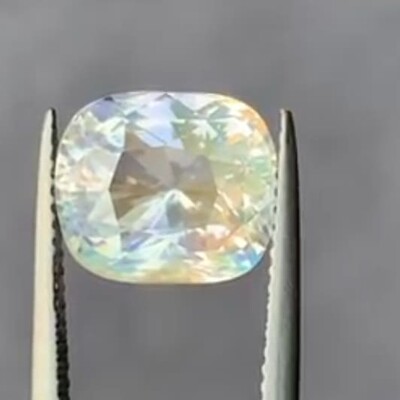
Rainbow moonstone is treasured for its unique display of multiple colors in one gemstone. As light interacts with the special structure inside the rainbow moonstone, it refracts into a range of lush and vibrant hues.
Where Do the Colors Come From
The various colors exhibited in rainbow moonstones originate from the internal structure. Rainbow moonstone contains alternating layers of feldspar and water. These layered inclusions cause incoming light rays to diffuse and split into spectral colors.
The thicker the layers, the more intense and varied the resulting colors will appear.
Common Rainbow Moonstone Color Palette
The specific colors seen in any given rainbow moonstone depend on the light source and thickness of the mineral layers. However, some hues tend to appear more frequently.
- White- The body color of rainbow moonstone is generally an opaque creamy white. This provides the background shade that allows additional colors to stand out.
- Blue- Vibrant flashes and gleams of rich blue are extremely common. Blue is often the most readily visible secondary color.
- Yellow & Orange- Warm golden yellows and oranges often accompany the blue flashes.
- Multicolor- In stones with especially high clarity and thick banding, splashes of red, green, and purple may also materialize.
The more color variations present in a single stone, the more valuable and breathtaking it becomes.
The Price Per Carat of Rainbow Moonstone
Rainbow moonstone captivates with its dreamy play of color. But what determines the price you'll pay per carat for this phenomenal gem? As a rare feldspar variety, several key qualities influence rainbow moonstone value.
Color Intensity
Vivid flashes of electric blue, peach, and multicolor increase rainbow moonstone carat prices. Stones exhibiting intense color phenomena command higher market value. Bleached-out stones with faint wisps of color are more affordable.
Clarity
Translucent clarity allows light to fully interact with the optical mineral structure inside the rainbow moonstone. The most costly specimens show glassy transparency and flashes that cover a majority of the stone. Inclusions, cracks, or opacity negatively impact value.
Cut
Proper orientation and faceting maximize internal reflections and color displays in rainbow moonstone. High-quality cutting requires precision but yields superior beauty that merits premium per-carat prices.
Current Retail Prices in New York City
|
Size |
Price per Carat |
|
1 carat |
$50 – $200 |
|
2 carats |
$100 – $175 |
|
3 carats+ |
$150 – $300 |
Tips For Purchasing Moonstones
While no two stones are alike, following the value factors above will help you select an exceptional gem.
Here are three essential tips for acquiring moonstones:
- Prioritize color strength over size
- Inspect for clarity under various light sources
- Seek precision cutting with multiple facets
Mining Locations and Methods of Moonstone Extraction
The captivating optical phenomenon of rainbow moonstone only emerges after meticulous extraction from remote mountainous mineral deposits.
Learn about the major sources and extraction processes of this mesmerizing feldspar gem.
Where is Rainbow Moonstone Mined
While small deposits exist worldwide, three countries produce the majority of rainbow moonstone gems:
- India- The state of Gujarat yields the most transparent "rainbows" boasting vivid blue flashes
- Sri Lanka- Main producer of moonstones displaying predominantly white and yellow hues
- Madagascar- Known for sky blue rainbow moonstone with golden flashes
Other minor sources include Australia, Brazil, Norway, and the United States.
Traditional Mining Methods
Indigenous techniques developed over centuries persist today in moonstone mining:
- Panning- Sieving sediment from riverbeds manually filters out gems
- Tunneling- Adits driven into mountainsides access buried moonstone-bearing bedrock
While these approaches are not so costly, they are very labor-intensive and limit production volumes.
Modern Mining Technology
More recently, mechanized methods have elevated extraction capacity:
- Strip Mining– Top layers of vegetation & soil are removed using heavy machinery to expose productive geological strata
- Chemical Separation- Crushing and then chemically treating ore separates feldspar crystals from waste rock
Rigorous protocols now also oversee sustainability and fair labor practices.
From manual panning to chemical refinement, ethical rainbow moonstone mining strives for efficiency while preserving the rarity and allure of this gem.
Chemical Properties and Treatment of Rainbow Moonstone
Rainbow moonstone’s spellbinding arrays of color originate from unique chemical qualities and interactions with light. While naturally stunning, minor treatments can also augment visual effects.
Chemical Composition
Rainbow moonstone is a type of potassium-rich feldspar mineral called oligoclase. Its shimmering phenomenon called adularescence arises due to alternating fluid layers in its solid crystal structure. When incoming rays meet these layers, they diffract into spectral flashes of color.
The more compressed and evenly spaced the layers, the more intense the resulting rainbow effect. Chemical purity also heightens the clarity and depth of the diffused colors.
Enhancement Treatments
As with most gemstones, minuscule flaws and cracks within rainbow moonstones can weaken their durability. To strengthen stones and amplify color displays, expert gem-cutters use:
- Waxing– Gentle heating melts paraffin wax into surface fractures as a stabilizing filler
- Irradiation- Brief exposure to radiation displaces electrons in feldspar, inducing electric blue adularescence
When disclosed, these industry-standard enhancements remain ethically sound and valued in the gem trade. Our jewelry shop in New York City discloses all necessary data for loose gemstones and jewelry we sell.
Certification and Investing in Rainbow Moonstone
With its elusive adularescence and scarcity, fine rainbow moonstone merits consideration for gem investment portfolios. However, ensuring marketability and returns hinges on proper certification from reputable appraisal laboratories.
Gemological Certification
Independent appraisal reports detail every quality factor influencing rainbow moonstone value:
- Size
- Body color
- Transparency
- Optical phenomena
- Cut grade
- Geological origin
- Detectable treatments
Credible rainbow moonstone certificates come from recognized institutions like GIA, AGS, or GGL. Beware appraisals omitting key information – they undermine the stone's market prospects.
Building Investment Value in New York City
Only buy top-tier appraised rainbow moonstones manifesting:
- 2+ carats with intense, vivid multi-colors
- Clean transparency rating "VVS"
- Premium cutting grade of "Excellent"
- Natural, unenhanced origin
Flawless provenance documentation proves the stone's rarity. Upgrade settings to maximize beauty without hiding colors.
Expected Appreciation
As a niche feldspar, market prices for documented high-quality rainbow moonstones will likely outpace more common gems. Growing rarity from limited mining output further bolsters value.
While rainbow moonstone won't rival blue chip diamonds or emeralds, certified museum-quality stones in period jewelry stand to deliver stable returns on investment.
When collecting rainbow moonstone gems destined for long-term value growth, inspect every aspect of the appraisal. Patient investors can reap significant appreciation from the most colorful form of feldspar in the world.
Our jewelry store (vividcarat.com) offers moonstones of different hues, origins, and levels of treatments. We provide full assistance and fair data about the chemical properties of loose gemstones and gems that are encrusted in jewelry. We work in New York City. Browse our website to see all the gemstones available in stock. If you would like to purchase customized jewelry based on your design, we also offer this option.