
_72x72_bd5_72x72_bd5.jpg)
_72x72_bd5.jpg)


Mozambique Rubies: I Was There
By Russell, VividCarat — China Fort Market, Beruwala, Sri Lanka
Every seller in the ruby market has "ethically sourced Mozambique rubies." The phrase appears on thousands of product listings. What almost none of those sellers can tell you is what Montepuez actually looks like — the dust on the road from Pemba, the armed checkpoint at the mine entrance, the sound of the washing plant running at full capacity.
I was there in 2021. During the pandemic.
The route: Maputo first, then a domestic flight to Pemba on the northern coast, then a few hours by road into the interior of Cabo Delgado — the same province where an insurgency had been pushing further south that year. The checkpoint at the FURA Gems operation ran COVID protocol alongside the standard security: thermal screening, masks, hand sanitization. Vakhta workers rotated in with pre-quarantine requirements. Everyone who entered the recovery zone was searched.
The scale surprised me even knowing the production numbers. FURA operates across roughly 110 square kilometers of licensed territory. The open pits run deep — overburden anywhere from 3 to 12 meters before you reach the gem-bearing gravel. Excavators strip the surface, dump trucks carry the material to the washing plant, and the plant runs at 100–150 tonnes per hour: crushing, screening, heavy media separation with jig machines. What comes out the other end is concentrate — a dense fraction that goes to the recovery unit.
The recovery unit is the most tightly controlled space on the site. Final hand-sorting happens in closed booths under continuous video surveillance. I understood why the moment I walked past it: this is where the value lives. The garimpeiros — illegal artisanal miners working the surrounding land — are a constant presence. FURA's security perimeter exists specifically because the stones are real and the demand from unlicensed operators is real.
What I took away from the visit was something no price table communicates: the chain of custody here is traceable. Each lot can be followed back to a specific pit. The reclamation program is genuine — worked-out areas are backfilled and returned to agricultural use. When FURA says "responsibly mined," there is an operation behind the claim.
What the Stones Actually Look Like
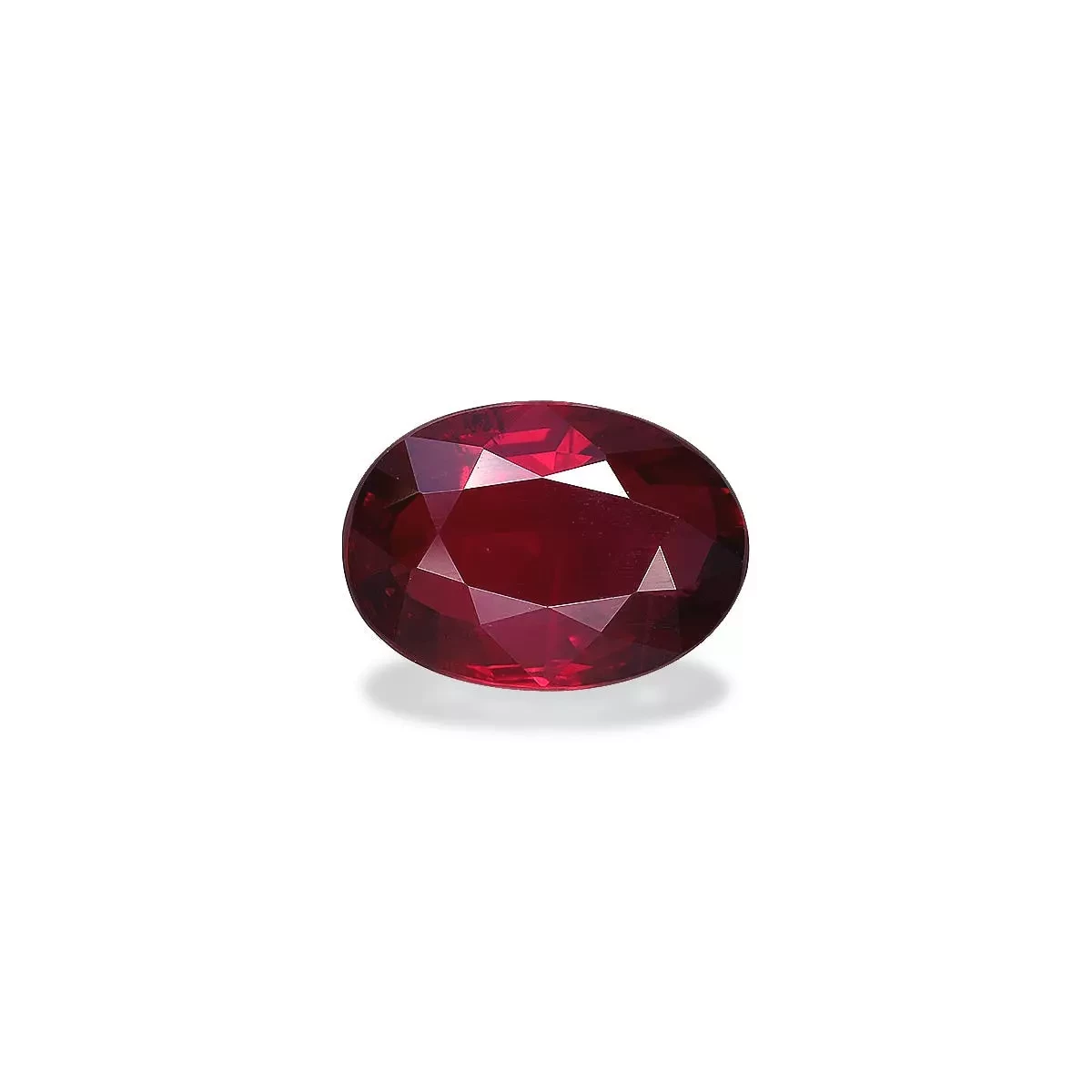
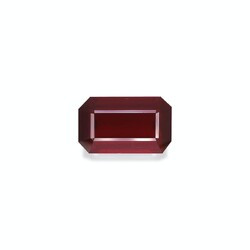
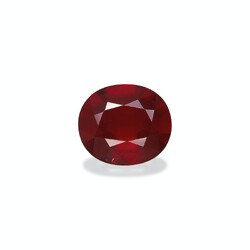
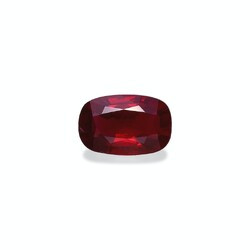
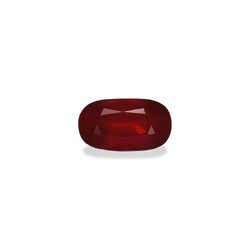
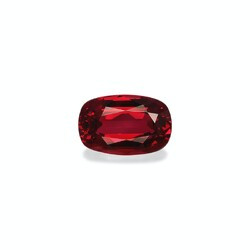
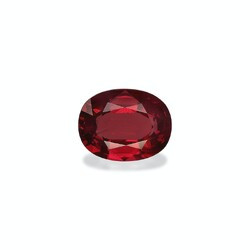
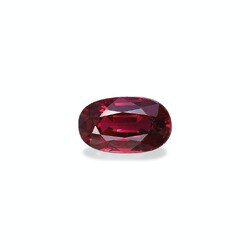
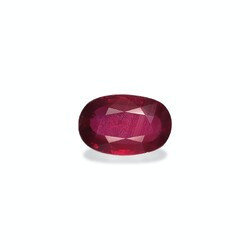
Mozambique rubies from Montepuez have a slightly different character from Burmese material. The iron content is higher — this subtly moderates the fluorescence that gives Mogok rubies their famous "living" quality in daylight. The color in Mozambique material runs cooler, slightly more towards pure red without the warm violet shift. Under UV, Mozambique rubies still fluoresce red, but the glow is less intense than comparable Burmese stones.
The clarity advantage is real. Large clean stones — above 3 carats without significant inclusions — appear in Mozambique with a frequency that Mogok hasn't matched for decades. Many Mozambique rubies enter the market unheated, which is genuinely unusual for any ruby origin. When GRS or Gübelin certifies a Mozambique stone as unheated, that certificate reflects a geological fact: these deposits produce a meaningful proportion of material that doesn't need enhancement to be commercially viable.
What You'll Actually Pay
| Grade | Treatment | Carat | Market Range (USD/ct) |
|---|---|---|---|
| Commercial red, heated | Heated | Under 1 ct | $200–800/ct |
| Fine red, eye-clean, heated | Heated | 1–2 ct | $800–3,000/ct |
| Vivid red, unheated | No heat | 1–2 ct | $3,990–8,000/ct |
| Pigeon blood, unheated, GRS | No heat | 2–5 ct | $8,000–25,000/ct |
| Pigeon blood, unheated, GRS/Gübelin | No heat | 5ct+ | $25,000–75,000/ct |
Sources: current dealer market, 1stDibs auction data, GemKeepers listings.
The gap between heated and unheated at fine grade is significant and has widened consistently since 2015. For buyers who want the color without the Burma premium — or who want a large, clean, certified stone at a price point that Burmese material hasn't offered for twenty years — Mozambique unheated is the market's best current answer.
Mozambique vs Burma — the Honest Comparison
Burmese rubies command a premium that is partly geological (the specific Mogok fluorescence is real) and partly historical (the brand is two thousand years old). For collection and long-term investment where origin provenance is part of the thesis, Burma is still the reference point.
For jewelry buyers who want pigeon blood color, excellent clarity, large carat weight, and a traceable ethical chain — Mozambique is not a compromise. It is the only origin that currently delivers all four simultaneously at accessible price points. The collector market has recognized this: auction records for Mozambique pigeon blood rubies have tracked Burmese comparables closely since around 2018.
When Mozambique Ruby Is the Wrong Choice
Don't buy Mozambique ruby at pigeon blood prices without a GRS or Gübelin certificate explicitly stating the color grade. "Vivid red" on a dealer's invoice is not equivalent to "pigeon blood" on a GRS report. The market prices these differently for a reason.
Don't buy commercial heated material expecting investment appreciation. The Mozambique investment case applies specifically to unheated stones with major lab documentation. Heated commercial ruby is a jewelry purchase — attractive, legitimate, not an asset play.
Don't buy uncertified material regardless of price. The same province that hosts FURA also has significant garimpeiro activity. Unlicensed material moves through informal channels without documentation. A certificate from GIA, GRS, or Gübelin is the only verification that the stone's stated origin is real.
FAQ
Is Mozambique ruby really a substitute for Burmese ruby? For jewelry: yes, in most situations where the goal is color and durability. For collection investment specifically tied to Burmese provenance: no — they are different theses. The Burmese thesis rests on supply exhaustion from a specific historical source. The Mozambique thesis rests on scale, traceability, and a supply pipeline that produces large clean unheated stones. Both are legitimate. Neither substitutes for the other at the collection level.
How does FURA's traceability work in practice? Each production lot is assigned to a specific pit area within the licensed concession. The sorting center — typically in Maputo before transfer to Bangkok for cutting — maintains lot records that link finished stones back to their extraction location. When I visited, this was already operational. By 2021 FURA had implemented their own grading system for auction preparation. A stone certified with Mozambique origin by a major lab has a chain behind it — not just a country name.
How to Buy From Me
I carry Mozambique material directly — stones I've sourced through networks connected to the Montepuez production chain. The catalog shows current stock. For specific requests outside what's listed, book a Zoom call.
→ Book a Zoom consultation | No deposit, no commitment