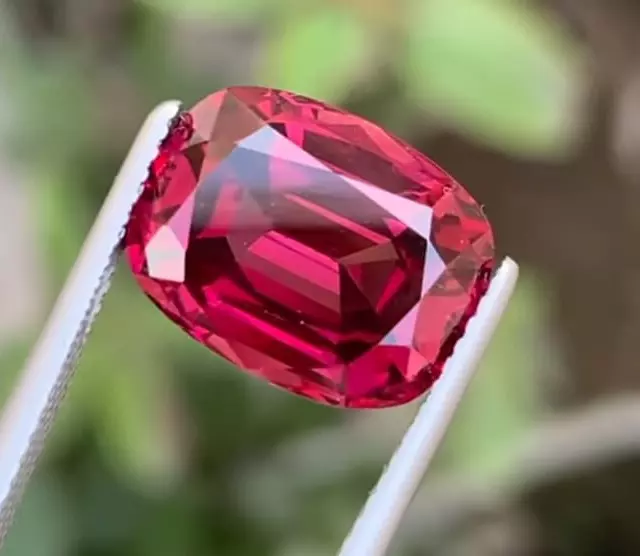
Hessonite is a variety of the garnet mineral family. It is known for its distinctive orange-brown color, which is often described as "cinnamon". This gemstone is commonly found in countries such as Sri Lanka and India. It is sometimes referred to as the "cinnamon stone".
Hessonite Garnet Properties and Treatment
- Composition: calcium aluminum silicate
- Crystal system: cubic
- Hardness: 6.5-7 on the Mohs scale
- Rich orange-brown color
- Vitreous luster
- No cleavages
Chemical Properties and Treatment
Hessonite garnet gets its captivating color and properties from its unique chemical structure. Understanding its composition helps identify natural, untreated gems.
Garnets belong to the silicate mineral group. Hessonite is a variety of grossular garnet characterized by:
- Mostly calcium & aluminum
- Manganese and iron impurities
Typical Hessonite Garnet Chemical Formula
Ca3Al2Si3O12
+ Manganese & Iron impurities
Its manganese content gives hessonite an attractive orange-brown color not found in most grossular garnets.
Natural or Treated?
Most hessonite garnets are not enhanced. Common garnet treatments like heating or diffusion aren't overly effective with hessonite.
Some treatments are performed. These include:
- Minor heating to improve the color
– Fracture filling with resin
– Dyeing through fractures
These treatments help to improve the appearance and durability of the product.
Signs of Treatment
- Unnaturally vivid saturation
- Straight color zoning
- Surface-reaching breaks
Reputable sellers disclose any treatments. When in doubt, get laboratory certification.
Attraction of Untreated Gems
Hessonite's resistance to effective treatment means fine-quality stones are almost always natural. For eco-conscious consumers, hessonite offers true earth-made beauty and astrological properties.
Hessonite Garnet's Palette
Hessonite garnet enchants with its warm, fiery hues. While most garnets range from red to green, hessonite is prized for its distinctive orange and brown tones.
What Gives Hessonite Its Color
Hessonite's color comes from its chemical composition. It has a higher manganese content compared to other garnets. Trace elements like titanium and iron also influence its colors.
Typical hessonite garnet colors include:
- Golden orange
- Yellowish orange
- Brownish orange
- Orange-red
- Yellow-brown
The most desirable hessonite exhibits a pure, warm golden orange reminiscent of honey. Well-saturated stones with a vibrant fire command the highest prices.
Evaluating Color Quality
When judging a hessonite garnet, color saturation and hue are key factors.
- Vividness: Stones with strong color saturation are top-notch
- Hue: Pure orange and orange-brown tones are ideal
- Darkness: Garnets that are too dark lose appeal
While pure orange stones are most valued, individual tastes differ. Some enjoy paler yellow-browns and prefer them to more expensive ones.
See the whole line of garnets available in stock on our website vividcarat.com. Here you’ll find a diverse list of hessonites, as well as other garnets for any wallet.
Unique Color Patterns
Many hessonite garnets exhibit peculiar color zoning patterns and inclusions that add character. These special stones showcase the mineral's natural beauty.
Special Color Effects
- Color zoning: The gradual transition of colors in a stone
- Cat's eye: When light reflects on the surface of the stone, creating a beautiful glow.
- Silk: A dense network of tiny rutile crystals that give hessonite its unique texture. Inclusions:
Though common, inclusions don't inherently diminish the hessonite’s beauty or value. Some prize stones with vibrant colors and lively inclusions.
Valuation and Affordability: Hessonite Garnet Price Per Carat
Compared to other precious gems, hessonite garnet is relatively affordable. But prices span a wide range depending on size, clarity, color, and source.
Hessonite Price Factors
Like all gemstones, several attributes determine hessonite's value:
- Color- Vivid orange commands the highest value
- Clarity- Eye-clean transparent stones are the best
- Cut- Quality faceting enhances the appeal
- Carat Weight- Larger stones are legitimately costly
- Source- Sri Lankan hessonites are valued the most
Price Per Carat Guide
|
Quality |
Price Range per Carat |
|
Low |
$5 – $30 |
|
Average |
$50 – $500 |
|
Premium |
$500 – $5,000+ |
Affordable Appeal
For jewelry purposes, commercial quality hessonite is abundantly available at modest prices. These affordable stones offer a fiery sparkle and classic garnet beauty and are beloved among the clients of our jewelry store in New York City.
Value Options Under $50/Carat
Everyone can find a hessonite that fits their budget. You can buy a New York City loose gemstone for under $50 per carat. These more affordable hessonites may have light color saturation, may contain some inclusions, or may have uncalibrated sizes, but they will still be attractive and magnificent.
Collector Quality & Investment Potential
Top quality hessonite in sizes over 2 carats can reach remarkable values. Perfect gems with a pure orange hue can fetch over $5,000 per carat at auctions in New York City. These rare stones have investment potential.
Ideal Investment Hessonite:
- Has a 1+ carat size
- Has vivid orange color
- Can boast loupe clean clarity
- Has Sri Lankan origin with certification
Mining Locations and Methods
Hessonite garnet's fetching color and spiritual mystique have made it coveted for centuries. Today, major deposits are actively mined across the globe.
Where Is Hessonite Mined
While found on most continents, commercial hessonite mining is concentrated mostly in Asia and Africa.
Sri Lanka is home to some of the most famous and highest quality gems, while India is a major producer, particularly in the state of Orissa. Recently, significant deposits have been discovered in Tanzania, and Madagascar is known for its small but gem-quality stones.
Other Deposits
- Canada holds fields of yellow-brown hessonites
- United States’ deposits of hessonites were found in New Mexico and Southern California
- Brazil’s hessonites also find their buyer, albeit they have lower grade material and are often heat-treated
Artisanal Mining
In addition to large mines, independent miners and groups dig hessonite across India, Sri Lanka and Africa. These small operations contribute meaningfully to global production.
How Is Hessonite Mined
Both traditional and modern mining methods are used to extract hessonite from the ground.
Artisanal miners dig narrow shafts and tunnels manually, while mechanized mining uses heavy machinery to excavate deeper open-pit mines. River bed gravels are sifted for eroded hessonites.
Processing methods also range from simple hand sorting based on color to more advanced optical scanning technology to identify quality stones.
Proper regulation and fair labor standards are critical for ethical sourcing. Conscientious buyers should verify mine policies before purchasing.
Ensuring Authenticity: Certification and Investment Considerations
As interest and prices rise for rare, high-quality hessonite garnet, certification and authentication from independent gem labs have become essential for would-be investors.
Reputable certification verifies:
- Authenticity- Confirms that the gem is natural
- Quality- Provides independent analysis of critical factors like color saturation, clarity, and cut quality
- Origin- Determines geographic source, critical to high value stones
- Treatments- Discloses any enhancements to transparency or appearance
Familiar independent certifiers include GIA, AGS, Gübelin, and the Swiss Gemmological Institute.
Factors Influencing Investment Potential
Hessonite gemstones come in a wide range of prices, with commercial-grade stones costing around $50 per carat, while exceptional gems can fetch $5,000 or more per carat at prestigious auction houses. The rarity, demand, and perceived astrological properties of the stone all contribute to its price.
Price Drivers
- Size over 1 carat
- Vivid orange to brownish red hue
- High clarity rating
- Sri Lankan origin with certification
Understanding Potential Risks while Purchasing Hessonites in New York City
Natural hessonite is rare in larger sizes. Buyers should be wary of treated and synthetic stones and buy loose gemstones only from reputable sellers.
Our jewelry store located in New York City offers full disclosure, return policies, and independent verification.
An accredited appraiser can also help assess quality and value when building an investment-grade portfolio. With due diligence, fine hessonite garnet represents a novel alternative gem investment.