

_72x72_bd5_72x72_bd5.jpg)
_72x72_bd5.jpg)


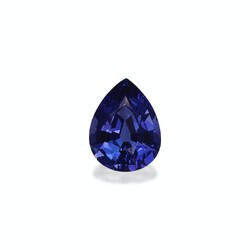
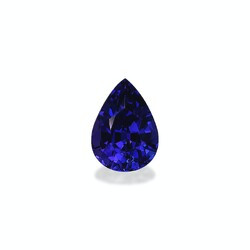
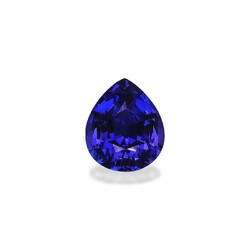
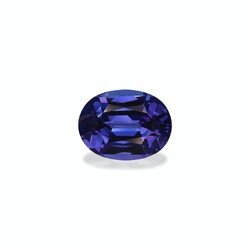
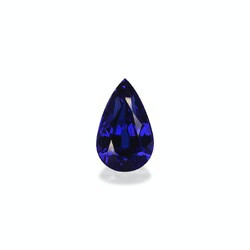
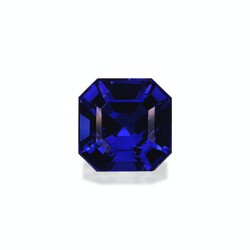
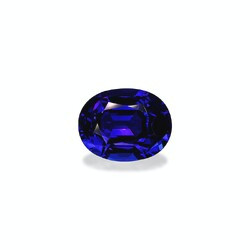
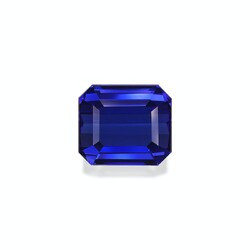
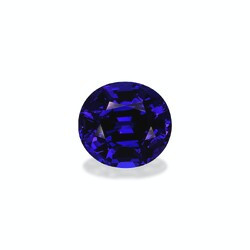
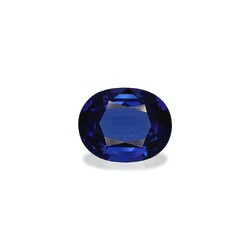
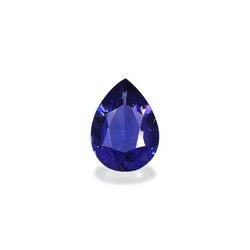
Tanzanite is a rare gemstone celebrated for its vivid shades of blue and violet. The most prized royal blue tanzanites display a striking color intensity and trichroic ability to show blue, violet, and red hues depending on the crystal orientation.
What Gives Tanzanite Its Signature Blue Color
To produce the royal blue color that makes this gemstone so valuable, specific conditions are necessary:
- Vanadium Content. The intensity of the blue color depends on the amount of vanadium present in the stone.
- Crystal Structure. The crystal structure must allow vanadium ions to enter the channels in the crystal lattice.
- Formation Environmen The formation environment must combine heat and pressure to create the perfect environment for vanadium to enter the crystal structure and give it its beautiful blue color.
Additionally, royal blue tanzanites exhibit exceptional color saturation. Saturation refers to the pureness and richness of a color. The most coveted tanzanites display vivid blues as opposed to faded, pale shades.
Cutting is Key to Unlocking Maximum Blue Hues
Proper cutting orientation is imperative for showcasing tanzanite's intense blue and violet tones:
|
Cut Orientation |
Color Effect |
|
Perpendicular to c-axis |
Maximizes blue tones |
|
Parallel to c-axis |
Maximizes violet tones |
Lapidaries should strike an optimal balance between color saturation, clarity, carat weight, and yield when working with this rare material.
Key Considerations for Tanzanite Value and Pricing per Carat
Tanzanite dazzles with its exotic trichroic colors, but what determines the price per carat for this rare gem? As a one-source stone, tanzanite's short supply and high demand fuel costs.
However, the color intensity, clarity, cutting quality, and carat weight are the main factors that determine the value of tanzanites on the market in New York City.
Color Grade Significantly Impacts Costs
Rich royal blue and purplish-blue tanzanites command the highest costs per carat. Pricing factors include:
- Saturation- Deep, vivid blues are more valued over pale tones
- Hue- Pure blue hues are preferred over greenish or grayish tints
Top color grades can reach $800 per carat, compared to paler stones at $100 per carat.
Clarity Adds Complexity to Pricing
Tanzanite often forms with some inclusions, so eye-clean stones over 5 carats are exceptionally rare and expensive.
- Loupe Clean- No inclusions visible under 10x magnification
- Slightly Included- Minor flaws visible under 10x magnification
- Included- Obvious imperfections to the naked eye
While inclusions are lower value, some collectors buy stones with distinctive veil-like patterns.
Our jewelry store carries tanzanite in stock. Due to the unique nature of each stone, we recommend browsing the entire gemstone selection at vividcarat.com to find the perfect match for you.
Larger Sizes Equal Higher Costs
The price per carat increases exponentially for sizes over 5 carats. Large tanzanites over 10 carats retail for premium prices due to scarcity.
|
Carat Weight |
Price Range Per Carat |
|
1-2 carats |
$300 – $500 |
|
3-5 carats |
$500 – $700 |
|
Over 5 carats |
$700+ |
Rarity, quality cuts, and exceptional color in larger sizes make them coveted by collectors and investors. A larger rough is more challenging to source.
Tanzanite Mining and Processing
The exotic blue-violet hues of tanzanite only emerge from one tiny corner of the world – the Mererani Hills in Northern Tanzania. First discovered in 1967, the challenging and dangerous conditions of tanzanite mining lend to the gemstone's short supply and coveted status.
Hazardous Mining in the Mererani Hills
The Mererani mining area extends just 4 miles across, making tanzanite a true one-source gem. Small-scale miners dig unsystematically through makeshift tunnels by hand, using old explosives to break up the rocks. Deep underground holes prone to collapse make mining risky. At the surface, locals sift through debris amidst the dust for glimmers of violet-blue sparks.
Sorting and Rough Processing
After extraction, sorters must carefully separate tanzanite crystals from waste rock by manual or mechanical sorting:
- Manual sorting- Workers visually scan and handpick rough crystals
- Mechanical sorting- Automated optical sorting machines detect tanzanite
The rough then gets sent to expert cutters who transform the opaque crystallized gems into dazzling transparent facets that maximize trichroic color effects.
|
Mining Process |
Details |
|
Underground extraction |
Hazardous tunnels, unstable holes |
|
Material sorting |
Manual or mechanical separation |
|
Cutting and polishing |
Skillfully oriented precision cuts |
While most gemstone mining has modernized with advanced technology, tanzanite extraction remains artisanal and low-tech. This makes ethical and fair trade practices imperative for supporting local miners. From challenging sorting to master gem-cutting, tanzanite's long value chain gives deeper meaning to its mesmerizing beauty.
Chemistry and Color Enhancements of Tanzanites
Renowned for its unique violet-blue hues, tanzanite exudes an air of exotic charm. Its crystalline structure and accepted industry-standard treatments provide a means to harness this rare gem's potential fully.
Tanzanite's Chemical Classification
Tanzanite is the blue-violet variety of the mineral zoisite, comprising:
- Calcium – Ca
- Aluminum – Al
- Hydroxyl – OH
- Silicate – SiO4
With an orthorhombic crystal system, its structure allows trace vanadium to enter, imparting alluring blue and violet colors. Tanzanite also exhibits vitreous luster and perfect cleavage, which means that it breaks cleanly along specific planes.
These traits influence setting styles and durability concerns.
Enhancing Color Permanently Through Heat Treatment
Heating tanzanite to 500-600°C can induce mesmerizing royal blue and violet hues by altering trace impurities.
This heat treatment is:
- Permanent- The color change is stable
- Accepted- Fully disclosed to consumers
- Challenging- Requires expert precision
When properly performed, the enhanced colors display exquisite trichroic properties.
Trustworthy retailers should provide accurate information about the enhancements that gems have undergone. Vividcarat.com identifies treated loose gemstones and jewelry pieces to ensure a transparent sales process.
Ensuring Tanzanite Quality and Investment Returns
With its soaring popularity but short supply, properly certifying tanzanite is key to curating a gems portfolio with growth potential. Trusted grading reports validate a stone’s authenticity and traits that underpin its investment outlook.
Certification Builds Consumer Confidence
Third-party grading from GIA, AGS, or Gübelin provides assurance when buying gemstones. It verifies:
- Authenticity- Confirms genuine tanzanite
- Characteristics- Color, clarity, cut grades
- Identification- Maps inclusions
Reliable certification from an accredited lab allows appraisers to verify any stone.
Blue Hues Offer Greatest Value Growth When Purchasing Gems in New York City
When investing, target loose gems or jewelry with rich royal blue color grades. As the rarest variety, blue tanzanites have shown the highest value gains year-over-year.
- Royal blue is the most precious and investment-worthy color
- Violet blue is also very desirable, but it is more available in stock in jewelry stores compared to royal blue
- Pure violet is abundant compared to blue tones.
Additionally, partner with dealers directly connected to Tanzanian sources and ethical mining initiatives to access prime rough for custom cuts.
By investing in certified tanzanite, particularly in coveted blue shades, investors can achieve significant portfolio growth as supplies continue to dwindle. As the gemstone market in New York City responds to scarcity, strategic collectors are preparing for blue tanzanite to potentially follow in the footsteps of top-tier sapphire prices.