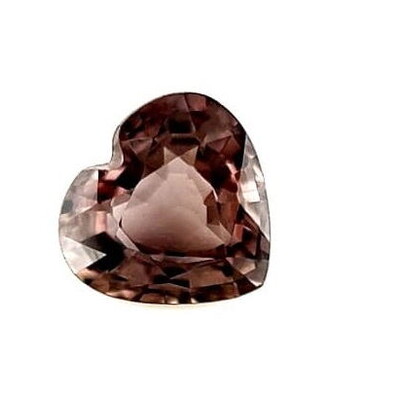
Brown Sapphires: The Corundum Nobody Names Correctly
By Russell, VividCarat — China Fort Market, Beruwala, Sri Lanka
Brown sapphires have a marketing problem. The same stone gets sold as "cognac sapphire," "champagne sapphire," "chocolate sapphire," and "honey sapphire" depending on which dealer is talking. None of these are gemological terms. They're trade names invented to make an affordable, genuinely undervalued stone sound premium — or, just as often, to obscure what the buyer is actually getting.
I've handled Australian and Thai brown material extensively. My observation: Australian brown sapphires consistently produce the most interesting color. Queensland and New South Wales rough runs warmer — true cognac tones with orange or reddish secondary hues — compared to Thai material which tends toward cooler, darker brown that reads flat in normal light. When I sort Australian parcels, the stones that stop me are the ones with a deep reddish-cognac that catches light like a dark garnet. That's the tier worth paying attention to.
What the Trade Names Actually Mean
Brown sapphires are corundum — the same mineral family as blue sapphire and ruby, Mohs 9, durable enough for daily wear rings. The color comes from iron, titanium, and magnesium in the crystal lattice. What varies is the secondary hue: that modifier is everything.
| Trade Name | What It Describes | Secondary Hue | Market Range |
|---|---|---|---|
| Cognac | Deep reddish-brown | Orange-red | $200–600/ct |
| Champagne | Light warm brown | Yellow | $80–250/ct |
| Chocolate | Dark opaque brown | None / black | $50–150/ct |
| Honey | Medium golden-brown | Yellow-orange | $100–300/ct |
Retail market ranges for eye-clean, 1–3ct, heat-treated material.
The most valuable tier is cognac with a true red-orange modifier — stones that sit on the boundary between brown sapphire and orange sapphire. These are occasionally found in Australian and Sri Lankan parcels, rarely in Thai material. They are also, predictably, the stones most likely to be mislabeled as something more expensive.
The Comparison That Matters: Brown Sapphire vs. Smoky Quartz vs. Citrine
Buyers shopping in the warm-brown color range consistently confuse brown sapphire with smoky quartz and dark citrine. The visual overlap is real, especially in photographs. The durability difference is not:
| Stone | Mohs | Daily Wear Risk | Typical Price 1ct |
|---|---|---|---|
| Brown sapphire | 9 | None | $80–600 |
| Smoky quartz | 7 | Scratches over years | $5–30 |
| Citrine (dark) | 7 | Scratches over years | $10–50 |
A brown sapphire ring set in gold will outlast a smoky quartz ring by decades of daily wear. For buyers who want that warm earthy color in a ring they'll actually wear — not just display — sapphire is the only answer at this color temperature.
When Brown Sapphire Is the Wrong Choice
Don't buy a brown sapphire described only as "chocolate" without seeing it in natural light. Dark brown material photographed in a lightbox looks rich and warm — in actual daylight it often reads as near-black with no color transmission. Chocolate is the least interesting tier and the most commonly overhyped.
Don't pay a premium for "unheated" in brown sapphires the way you would for blue or padparadscha. The market doesn't reward unheated status for brown material the same way — the color improvement from heating brown sapphires is minimal, and buyers don't treat the unheated premium as significant.
If you want a stone with strong investment resale, brown sapphire is not that stone. The buyer pool is smaller than blue, pink, or padparadscha. This is a stone for wearability and value at this color — not a speculative purchase.
FAQ
Is brown sapphire the same as "chocolate sapphire"? "Chocolate sapphire" is a trade name, not a gemological classification — any dark brown corundum may be sold under this name. It became widely used after Le Vian trademarked "Chocolate Diamond" for brown diamonds, and jewelry retailers adopted the same language for sapphires. A GIA or AGL certificate will describe the stone as "brown sapphire" with color modifiers. Always request the certificate rather than relying on the trade name.
Why is Australian brown sapphire considered better? Australian deposits — primarily Queensland and New South Wales — produce brown sapphires with warmer secondary hues: orange, red, reddish-cognac. Thai and other Southeast Asian brown material tends toward cooler, darker tones that lack the warm transmission light. For the cognac and honey tiers, Australian origin consistently produces more visually interesting stones.
How to Buy From Me
I source brown sapphire material directly and stock Australian and Sri Lankan stones across the cognac and honey tiers. Every stone I sell is certified. We do a Zoom call — you see the stone in natural light, where the color tells the truth.
→ Book a Zoom consultation | No deposit, no commitment